The CRCST is the credential that opens the door to a sterile processing career. Here’s what it is, who issues it, and why employers care — in plain English.
What CRCST means
CRCST stands for Certified Registered Central Service Technician. It’s the standard, entry-level certification for sterile processing technicians, issued by HSPA — the Healthcare Sterile Processing Association — and built on the HSPA 9th Edition curriculum.
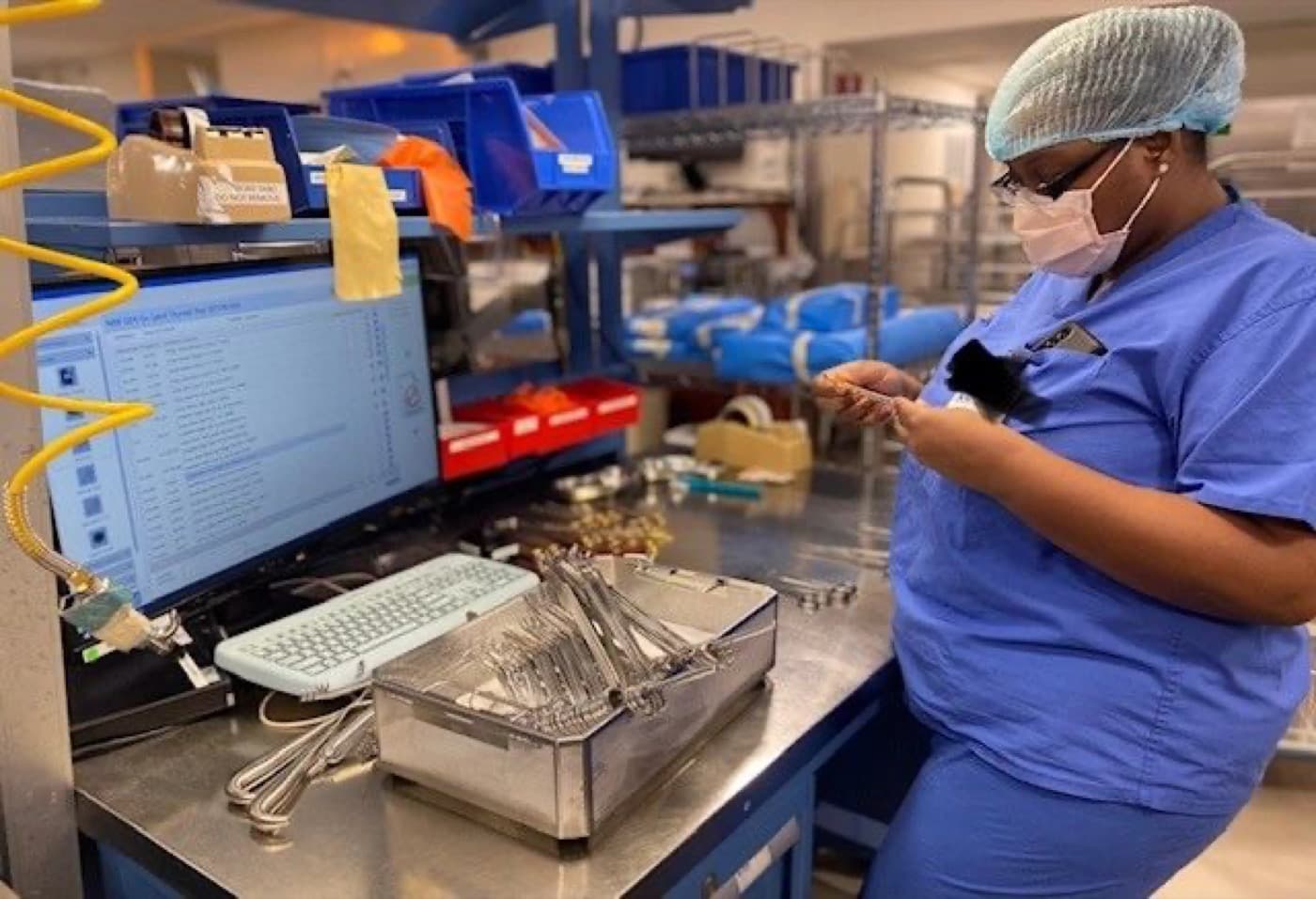
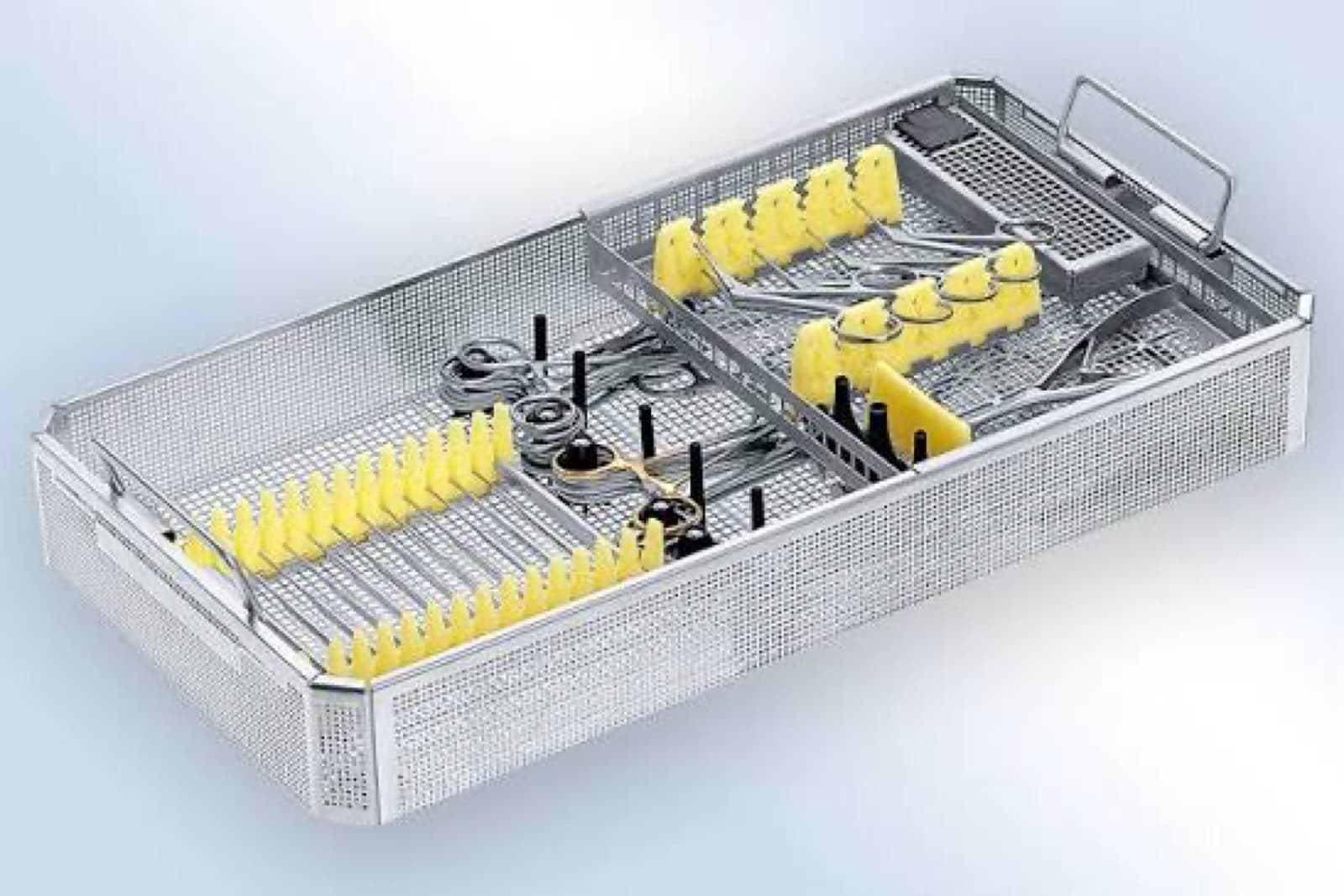
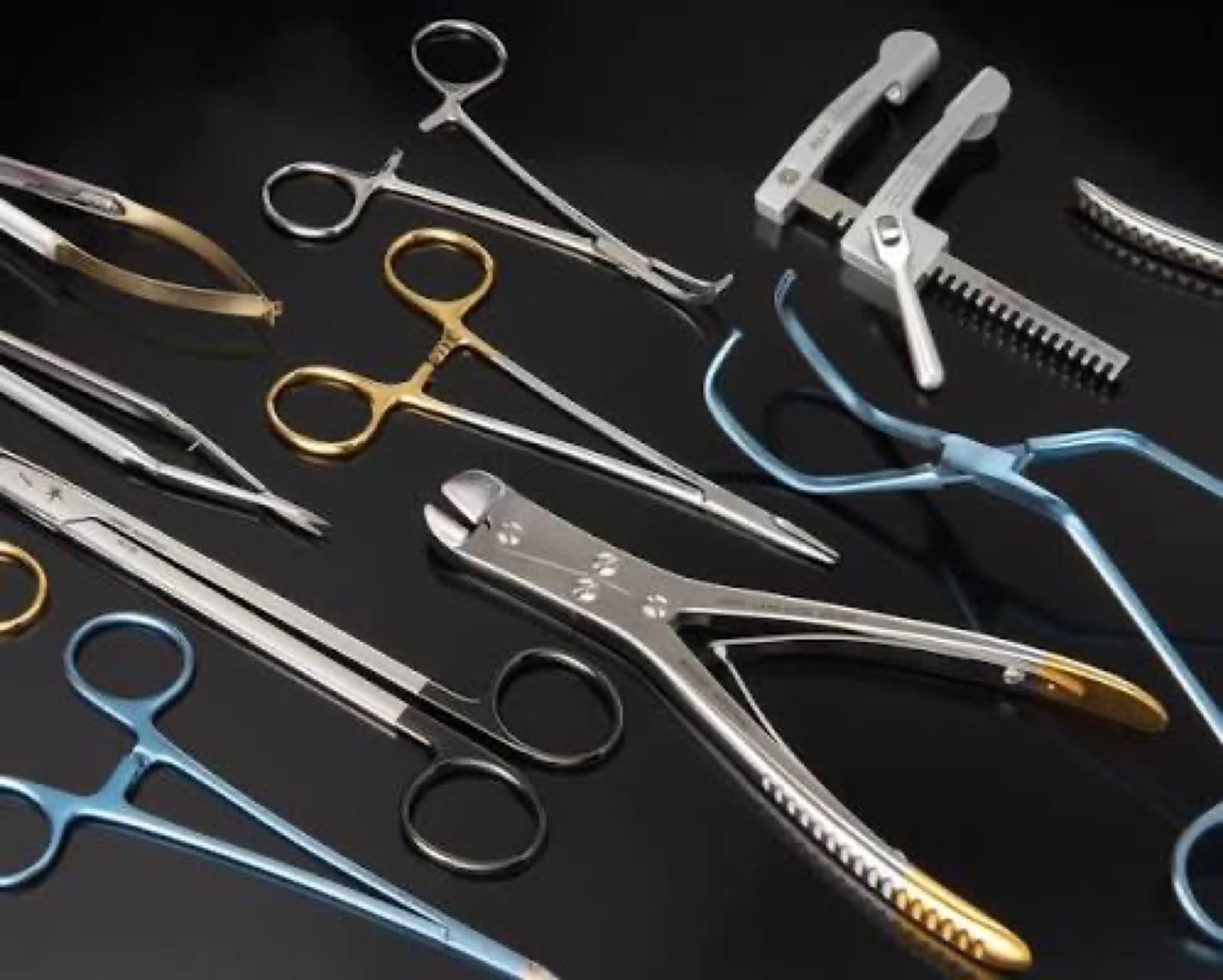
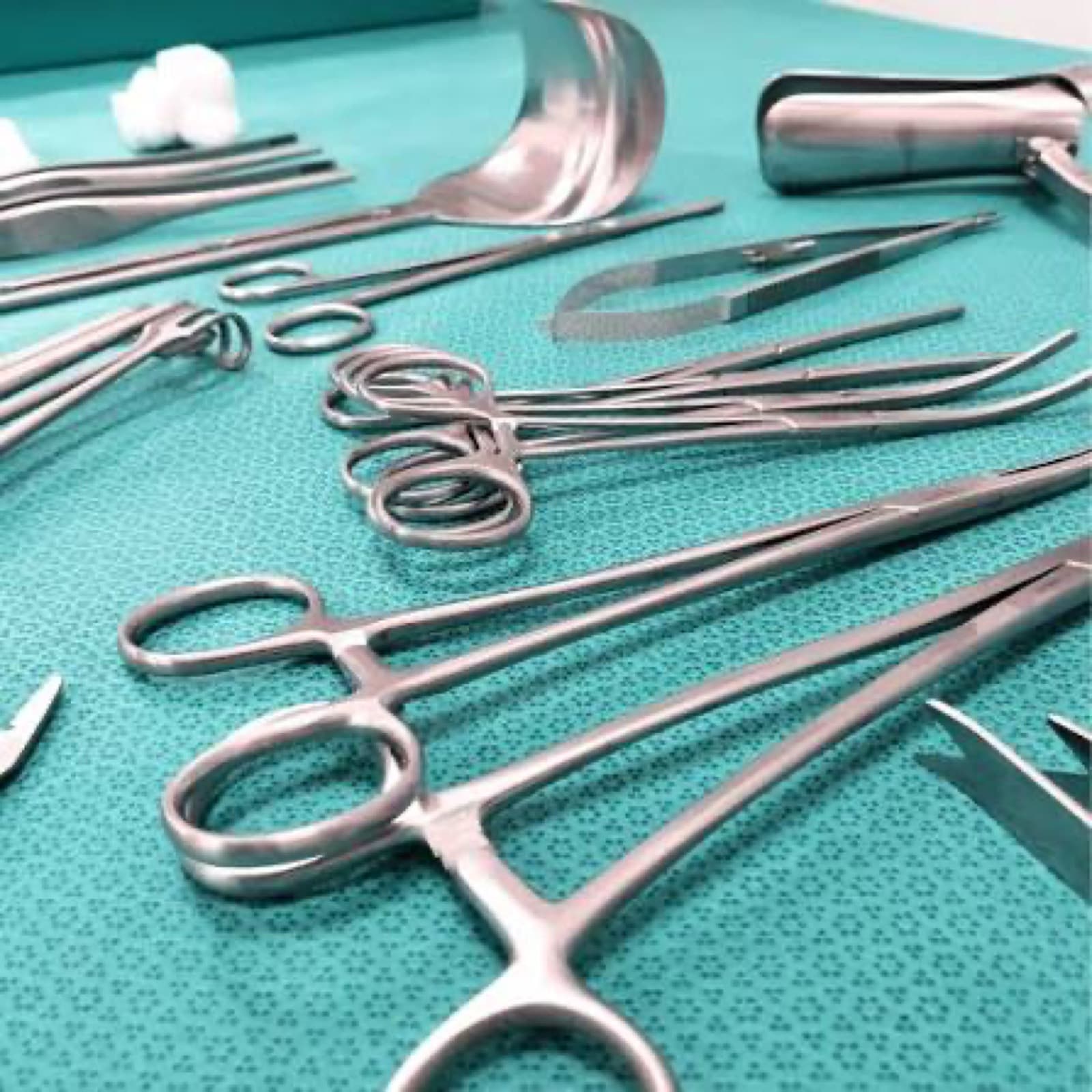
In short: the CRCST is the credential that tells a hospital you know how to safely decontaminate, assemble, sterilize, and distribute surgical instruments. If the department itself is new to you, start with What Is SPD? for the full picture of where this credential gets used.
Aseptic Technical Solutions is an independent training provider and is not affiliated with HSPA.
CRCST vs. the CRCST exam
People use “CRCST” to mean two related things:
- The credential — the certification you hold and list on your résumé.
- The exam — the knowledge test you pass to earn it.
This article is about the credential and what it’s worth. For a breakdown of the test itself, read What Is the CRCST Exam?
What it takes to earn the CRCST
Earning the credential has two parts:
- Pass the CRCST exam — a knowledge test covering microbiology, decontamination, instrument assembly, sterilization, and distribution. Per HSPA, the exam is 150 multiple-choice questions, computer-based, with three hours to complete it, and the exam fee is $140.
- Complete the hands-on experience requirement — 400 hours of supervised experience in a real sterile processing environment (this is where a hospital internship matters).
HSPA specifies how those 400 hours must break down across the workflow:
| Area | Hours |
|---|---|
| Decontamination | 120 |
| Preparing & packaging instruments | 120 |
| Sterilization & disinfection | 120 |
| Storage & distribution | 24 |
| Quality assurance processes | 16 |
The hours must come from the previous five years, so recent experience counts — but a decade-old stint in a hospital may not.
You don’t need the hours first — provisional certification
Here’s the part that trips people up: you can take the exam before you have any hands-on hours. HSPA’s provisional pathway lets you pass the exam first, then submit documentation of your 400 hours within six months of passing (with a one-time two-month extension available if you’re already working in a sterile processing department).
This matters because it flips the usual chicken-and-egg problem. You don’t need a hospital to let you in before you can study — you study, pass, earn provisional status, and then use that credential to land the internship or entry-level job where you complete your hours. It’s why most people start studying right away.
Why the CRCST is worth it
- It’s often the minimum to get hired. Many hospitals won’t consider applicants without it — or expect you to earn it shortly after starting. On a stack of applications, “CRCST (provisional)” already separates you from everyone who hasn’t proven they know the work.
- In some states, it’s the law. Connecticut, New York, New Jersey, Pennsylvania, Tennessee, and Delaware require certification to work in the field, and Minnesota grandfathers only technicians employed on or before December 31, 2027 (its law accepts the CRCST or CSPDT). See whether yours is one of them: Pennsylvania, New Jersey, Delaware, and Minnesota — or browse every state’s requirements.
- It’s a real career on-ramp. The CRCST is the foundation you build on toward higher-level sterile processing roles — lead tech, educator, supervisor, and manager. See From Technician to Leader for what that ladder looks like.
- It travels with you. The credential is nationally recognized, so it moves with you across employers and state lines.
CRCST vs. CSPDT — is there another option?
Yes. The CSPDT from CBSPD (the Certification Board for Sterile Processing and Distribution) is the other recognized entry-level credential, and some state laws — including Minnesota’s — accept either one. The CRCST is the more commonly requested credential in job postings, but the right answer can depend on your state and your employer. We compare them head-to-head in CRCST vs. CBSPD.
What it costs — and how long it takes
Budget for two things: training and the exam itself. HSPA’s exam fee is $140 per attempt (per HSPA’s CRCST page). Training costs vary by format — ATS programs run $1,850 for live virtual classes and $2,500 for in-person training in the Philadelphia/Cherry Hill area. For a full budget breakdown, see How Much Does Sterile Processing Certification Cost?
On timing: ATS instructor-led cohorts run 16 weeks. Realistic start-to- certified timelines are covered in How Long Does It Take?
What a realistic path looks like
Put the pieces together and the road to the credential is refreshingly concrete:
- Weeks 1–16: work through an HSPA 9th Edition program — lessons, quizzes, and full-length practice tests.
- Exam day: sit the 150-question, three-hour exam. Pass, and you hold provisional CRCST status the same season you started studying.
- The next six months: complete your 400 hands-on hours through an internship or an entry-level SPD job — at full-time pace, that’s roughly ten weeks of work — and submit documentation to HSPA.
- Fully certified: update the résumé, and start climbing.
No degree, no waitlist, no prerequisite healthcare experience — just a sequence you can start this week.
Keeping the credential current
The CRCST isn’t a one-and-done certificate. Maintaining it requires 12 continuing education (CE) points annually, which keeps certified technicians current as standards, instruments, and sterilization technology evolve. Employers like this — it’s part of why the credential carries weight. When you’re at that stage, our CEU resources page can help you find qualifying education.
How to get certified
Most people prepare with a structured program rather than self-teaching from a textbook. ATS preps you for the CRCST two ways — live virtual, and in-person — all on the HSPA 9th Edition, with hospital internship assistance to cover the experience side. Every program includes access to our private Discord community, and we’ve been training technicians since 2017.
Not sure which path fits? Grab the free Career Roadmap and we’ll help you plan it out — or start with the step-by-step guide.
Frequently asked questions
What does CRCST stand for?
Certified Registered Central Service Technician. It’s the entry-level sterile processing credential issued by HSPA, the Healthcare Sterile Processing Association, and it’s the certification most U.S. hospitals ask for by name.
Can I get the CRCST without working in a hospital first?
Yes. HSPA’s provisional pathway lets you pass the exam first, then complete your 400 hands-on hours within six months of passing. Many students use the provisional credential itself to land the internship or job where they finish their hours.
How much does the CRCST cost?
HSPA’s exam fee is $140 per attempt. Add your training program — ATS options run $1,850 (live virtual) or $2,500 (in-person) — for the full picture of what certification costs.
Is the CRCST required by law?
In some states, yes. Connecticut, New York, New Jersey, Pennsylvania, Tennessee, and Delaware require sterile processing certification, and Minnesota requires it too — grandfathering only those employed on or before December 31, 2027 — accepting the CRCST or CSPDT.
Does the CRCST expire?
The credential must be maintained with 12 continuing education points annually. Staying current is straightforward — many technicians earn CE points through free and low-cost education throughout the year.