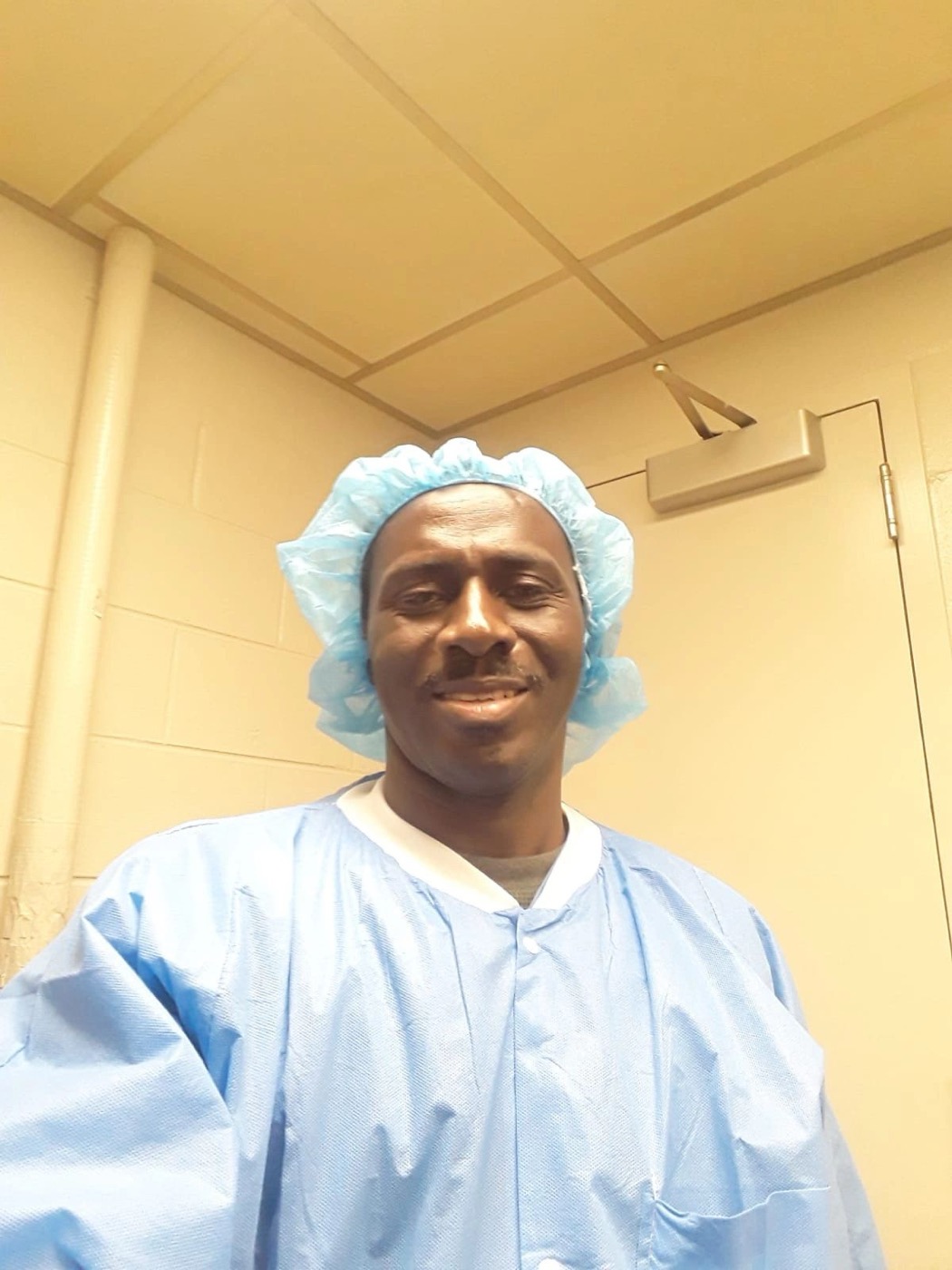
Is Sterile Processing a Good Career? The Complete Guide
Pay, demand, day-to-day reality, and the honest pros and cons — so you can decide if a sterile processing career actually fits you.
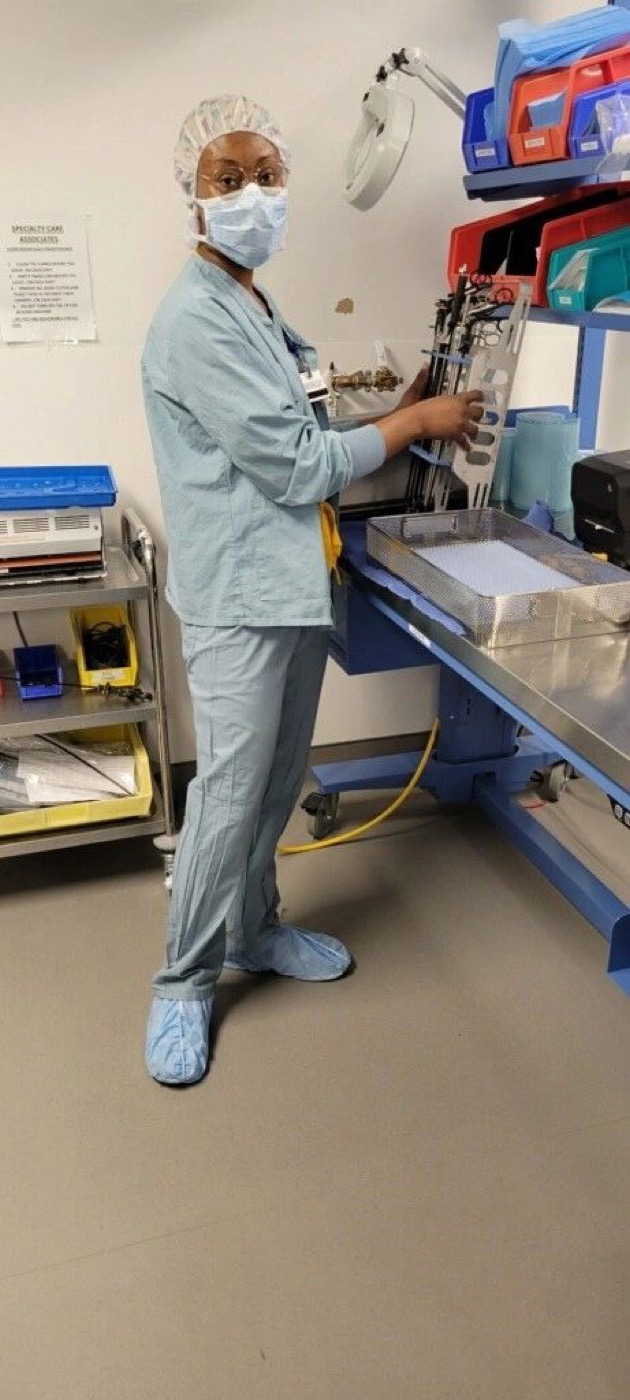
What Does a Sterile Processing Technician Actually Do? (A Day in the Life)
Hour by hour, station by station: decontamination, prep and packaging, sterilization, and distribution — what the SPD job really looks like.
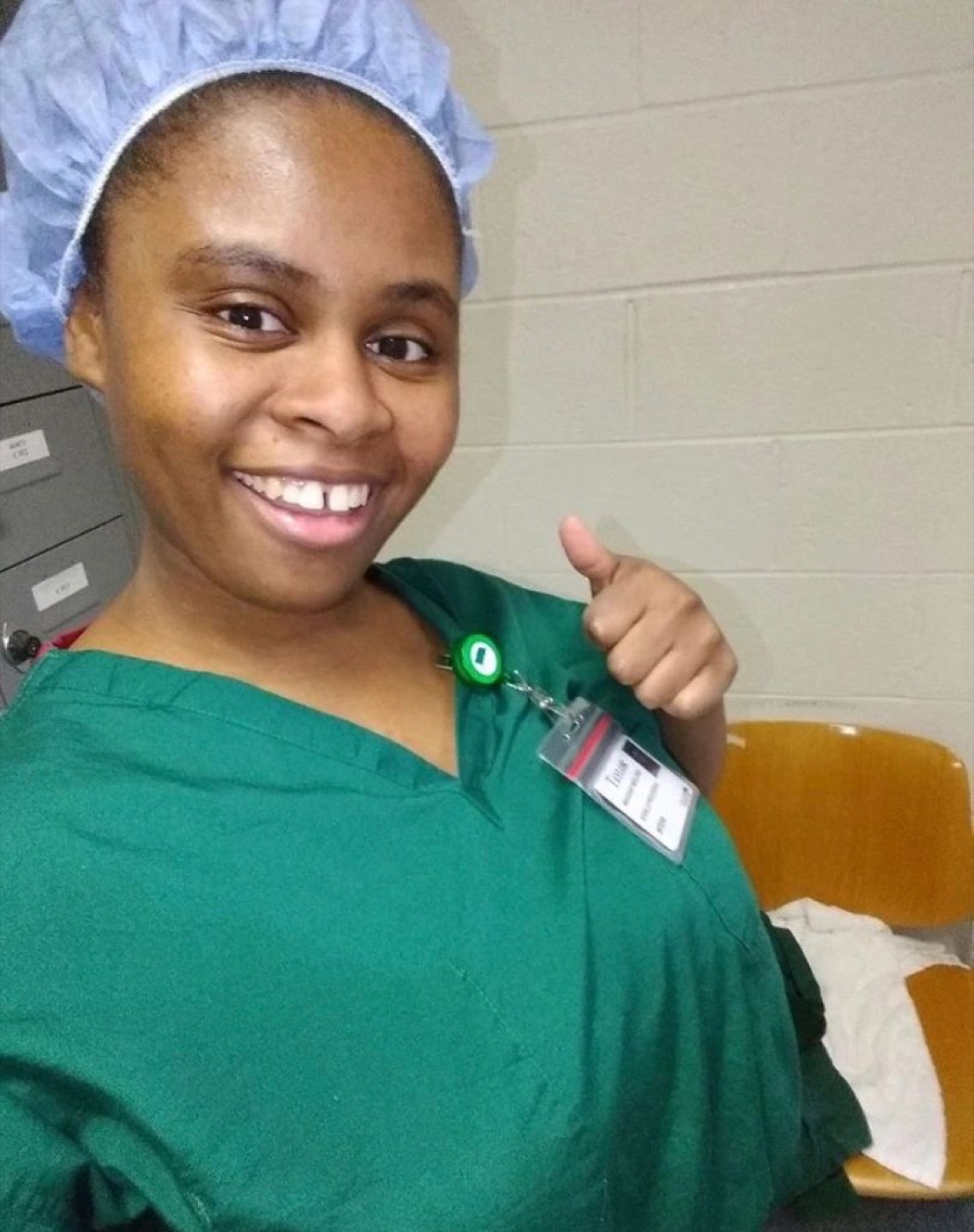
How to Get a Sterile Processing Job With No Experience
Break the experience catch-22: the provisional CRCST, internships that get you in the door, where to apply, and how to interview like you belong.
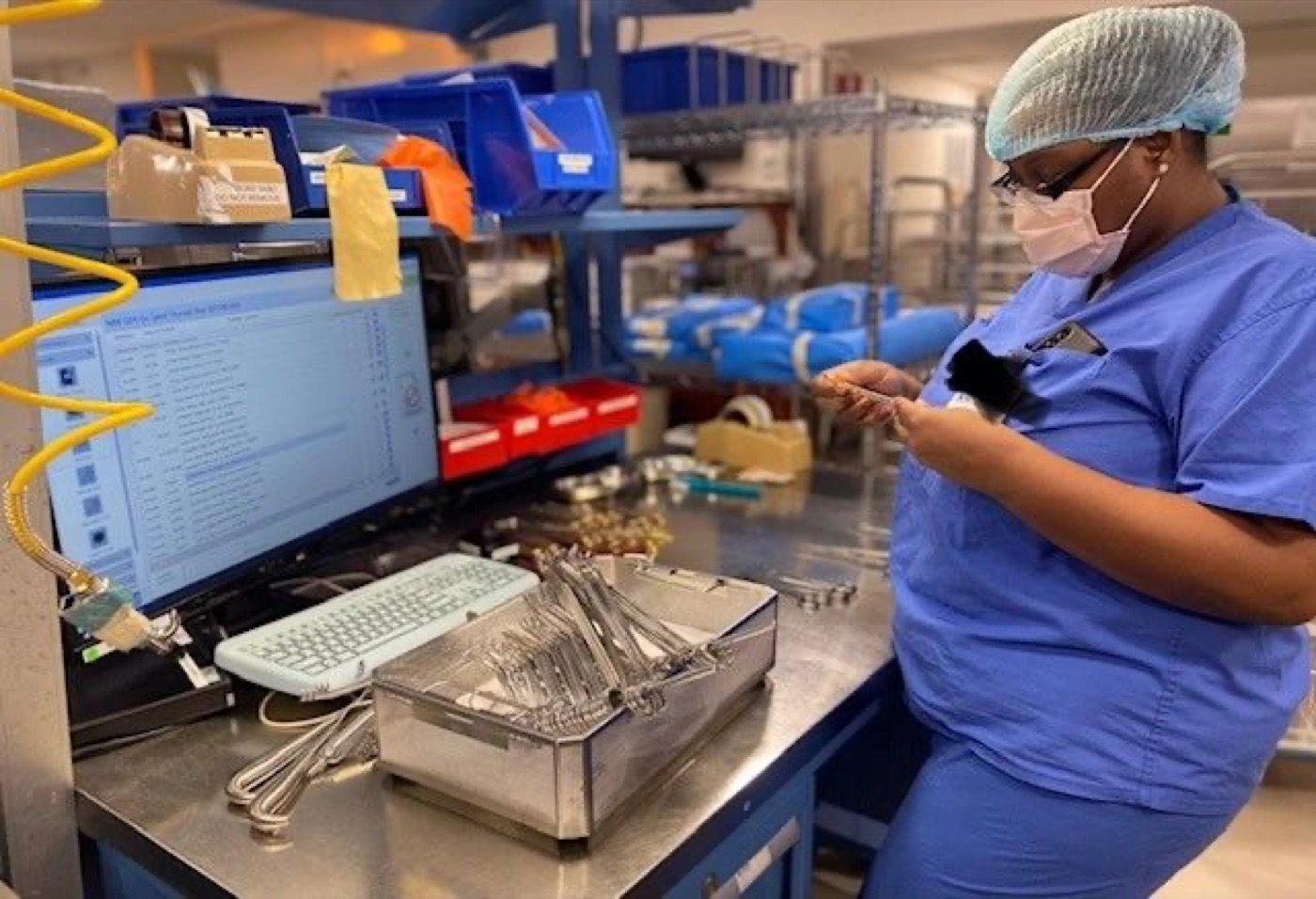
CRCST Recertification & CEUs: How to Keep Your Certification
12 CE points a year, a $50 renewal, and simple habits keep your CRCST active — here's exactly how recertification works and how to earn CEUs.
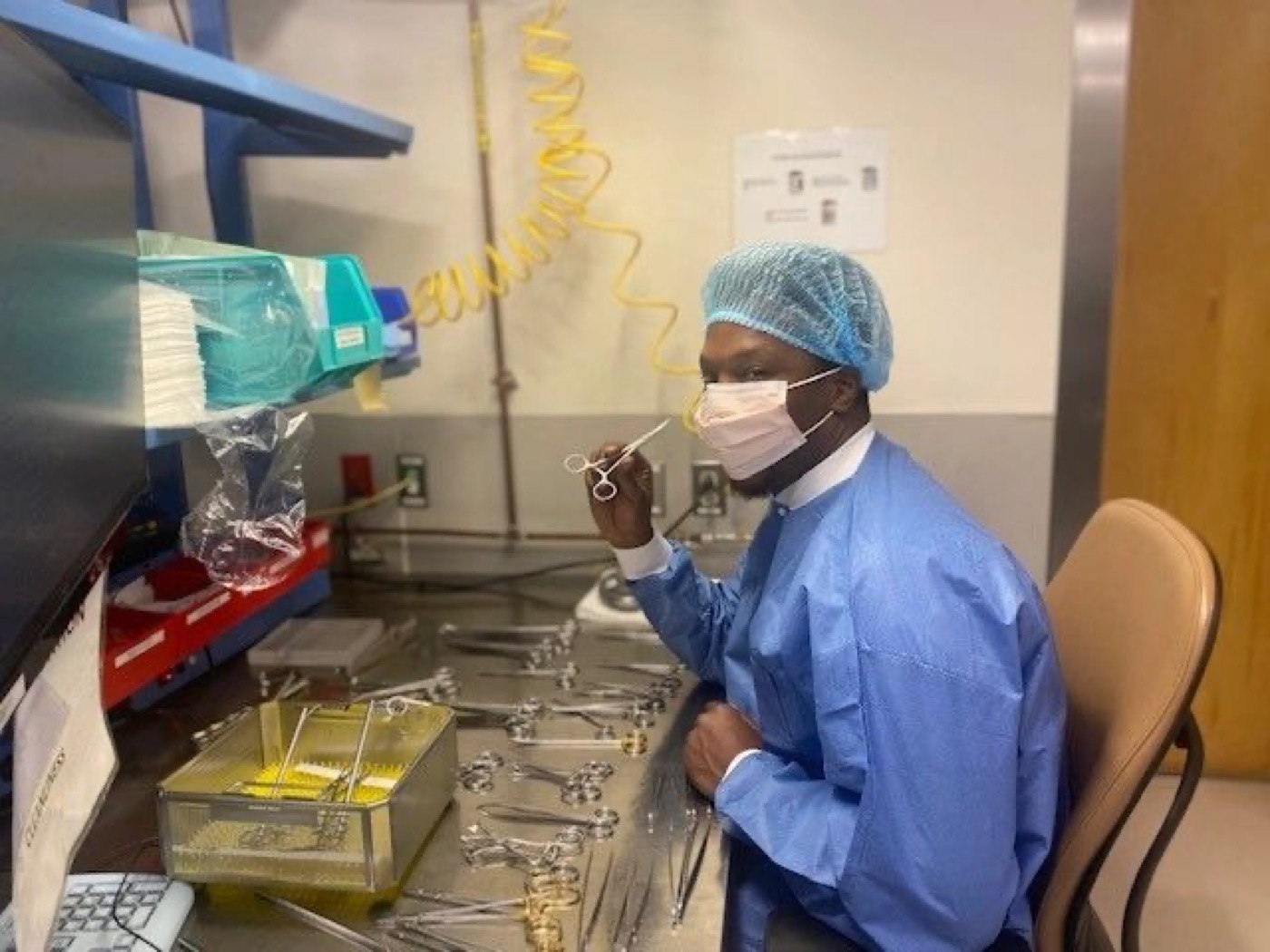
Sterile Processing Technician Job Description: Duties, Skills & Requirements
The responsibilities, skills, requirements, and working conditions employers actually list — plus how to qualify if you're starting from scratch.
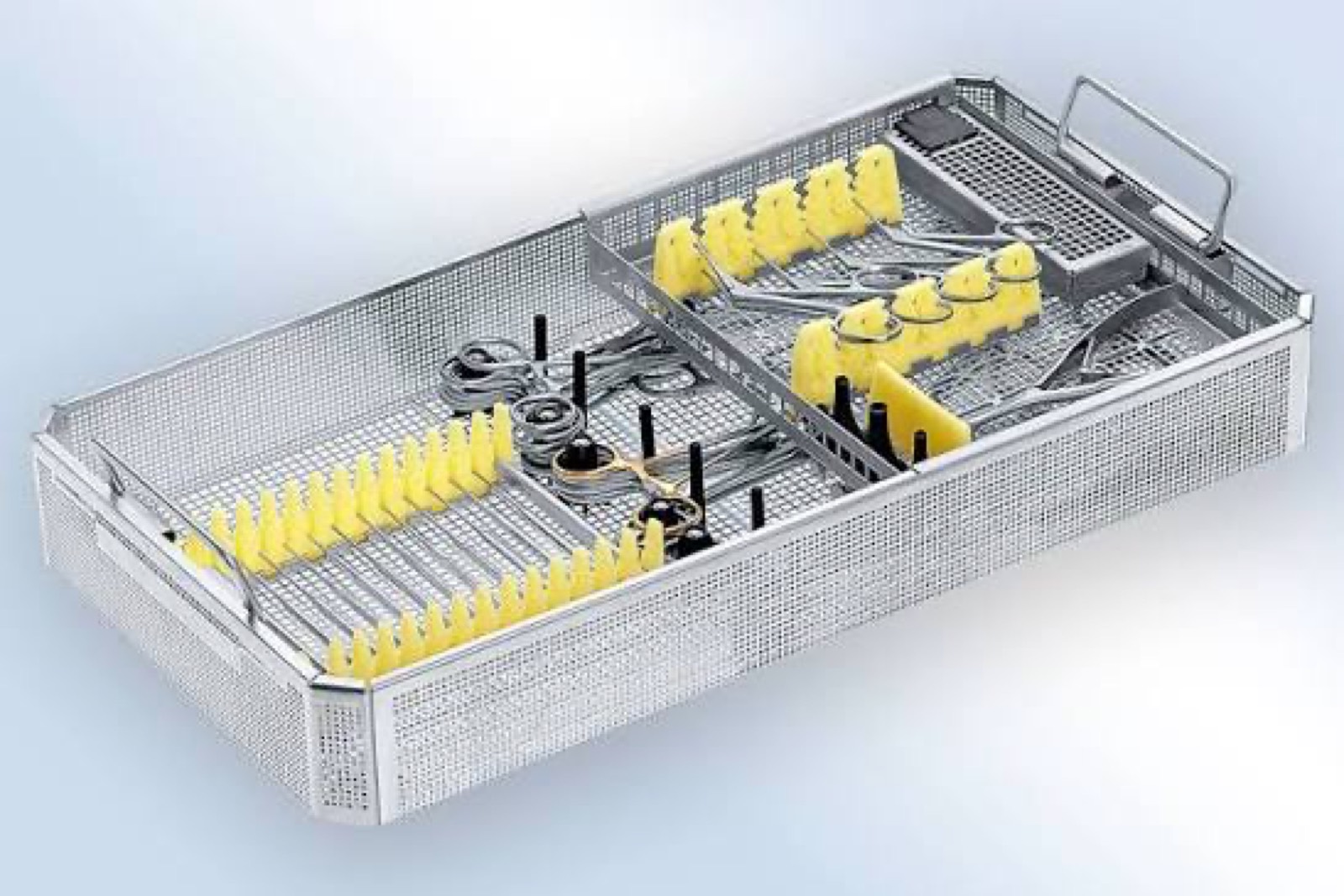
How to Pass the CRCST Exam: A Study Guide That Works
The study rhythm that passes: cover the whole curriculum, quiz continuously, understand the why, and drill full-length timed practice tests.
Sterile Processing Technician vs. Surgical Technologist: What's the Difference?
One prepares the instruments; the other uses them in the OR. Compare training, cost, environment, and fit to choose the right path.
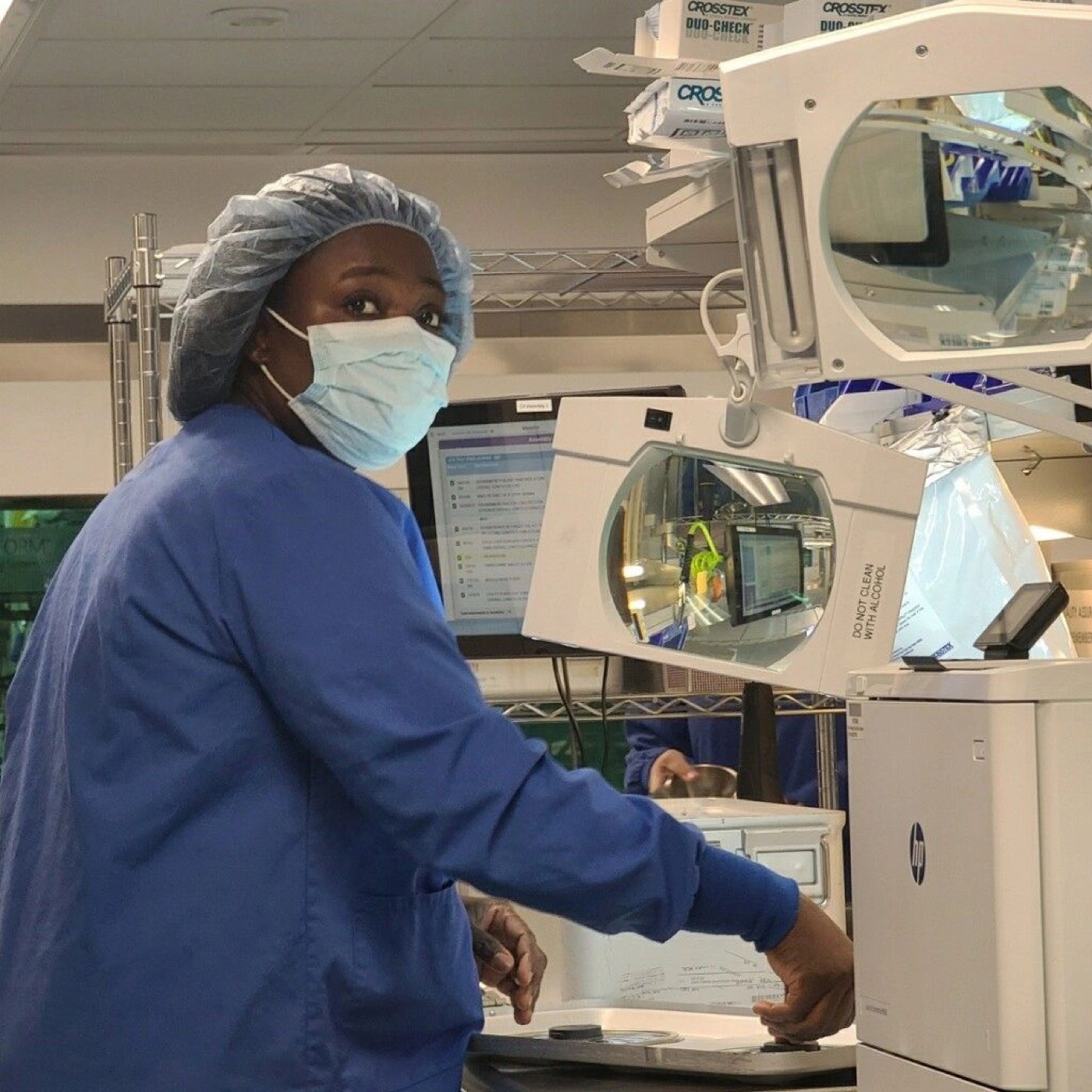
Sterile Processing Résumé & Interview Tips (Land the Job)
A résumé that gets you shortlisted and an interview where you sound like you belong — the exact moves, even with no SPD experience.
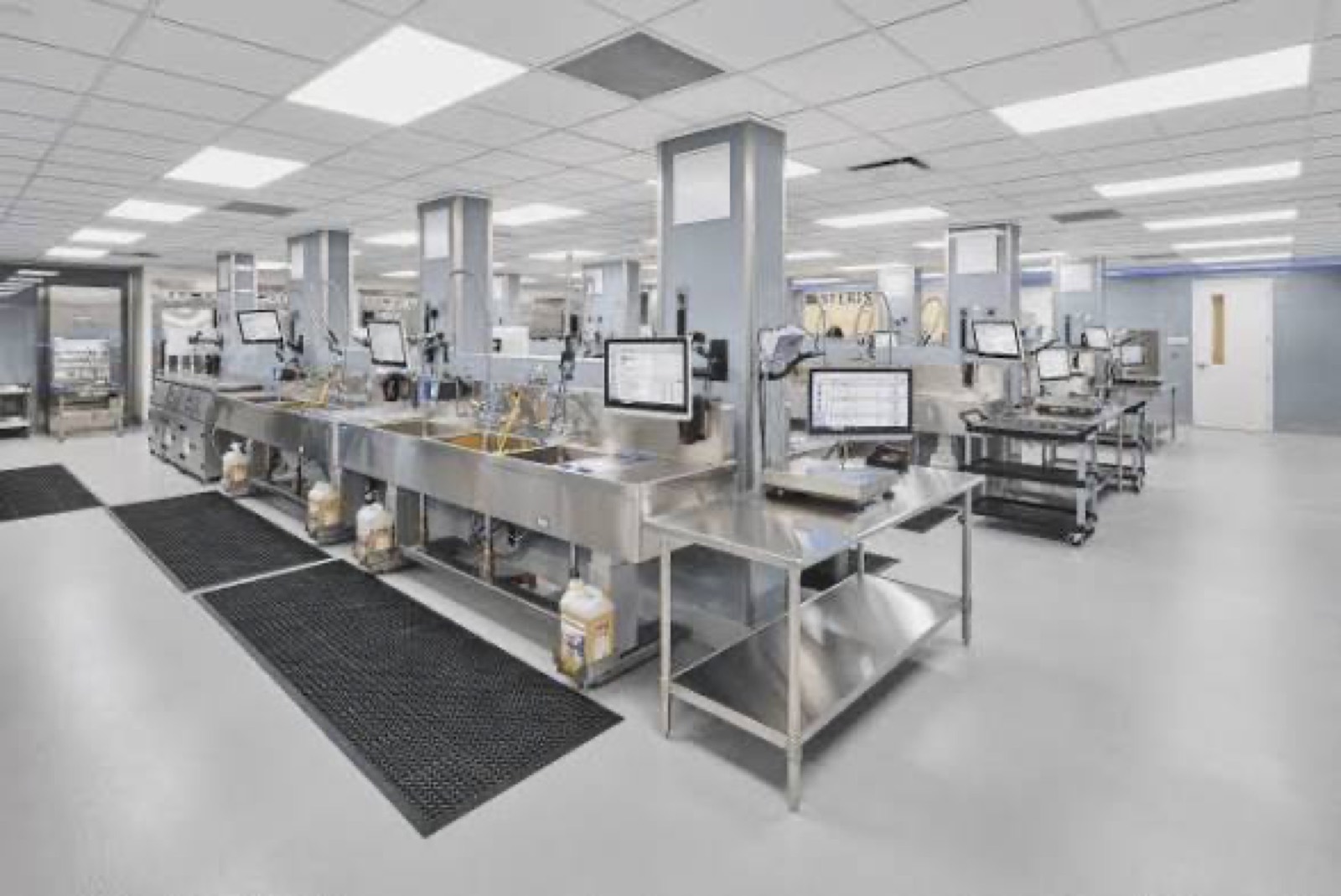
The Sterile Processing Work Environment & Schedule: What It's Really Like
Physical, methodical, behind-the-scenes work on the OR's schedule — the environment, hours, demands, and safety culture, with no surprises.
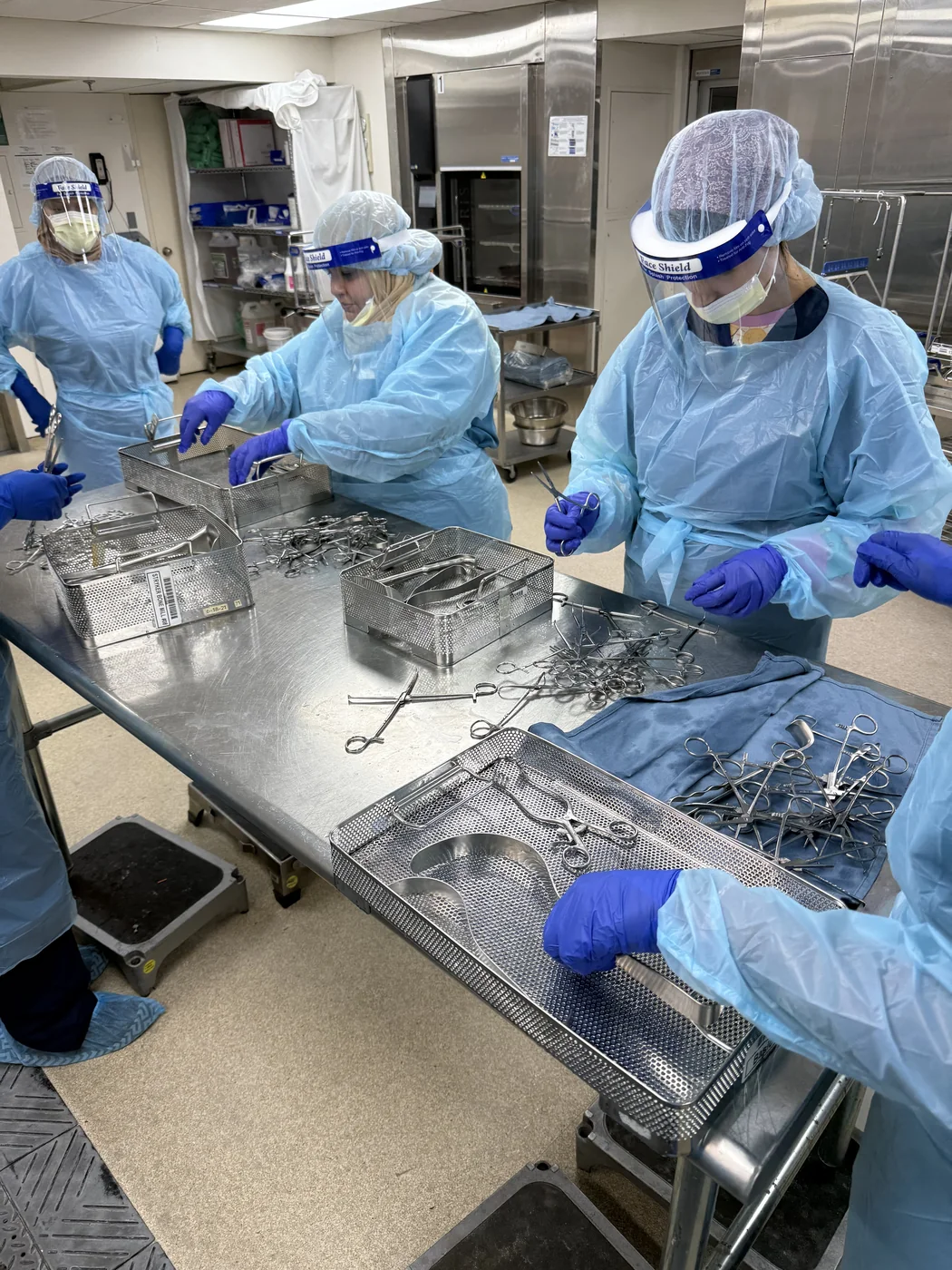
Sterile Processing Job Outlook & Demand: Are the Jobs There?
Rising surgery, staffing shortages, and a wave of state certification laws — the durable forces keeping certified SPD techs in demand.
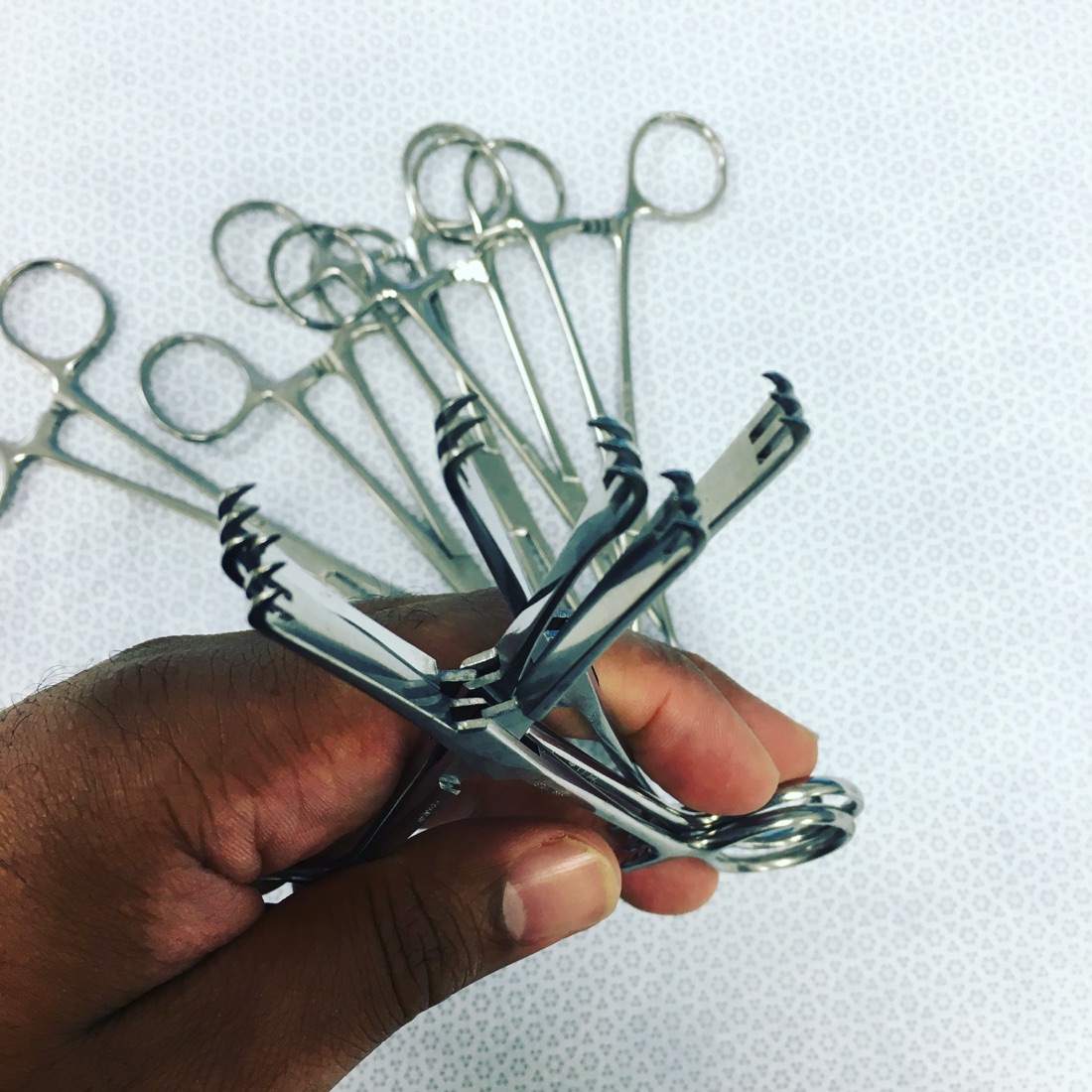
Sterile Processing Career Path & Advancement: How Far Can You Go?
The CRCST is a doorway, not a ceiling. The full ladder from technician to management, and the specialty credentials that get you there.
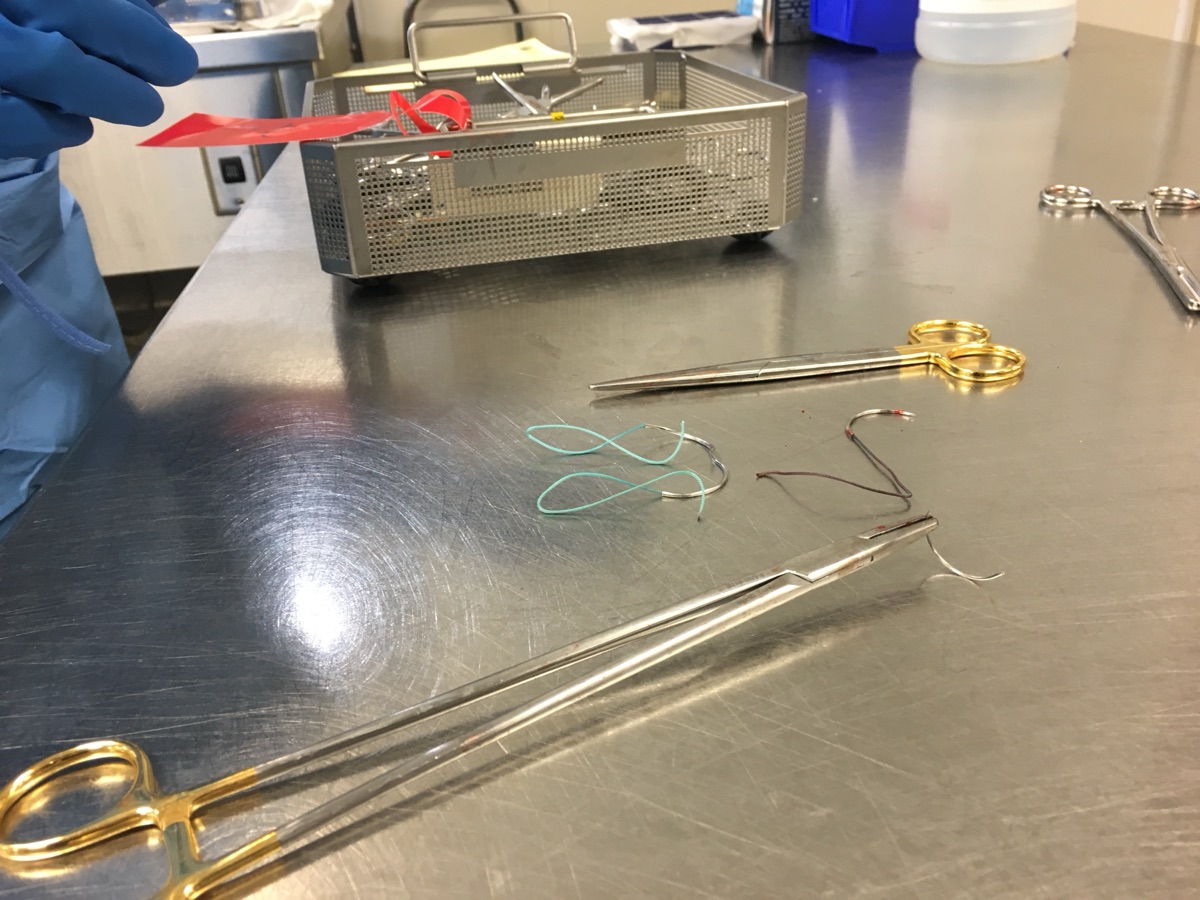
Why Hands-On Training Still Wins in Sterile Processing Education
Passing the CRCST and being ready on day one are two different things. Why real practice — not flashcards — is what actually makes a technician.
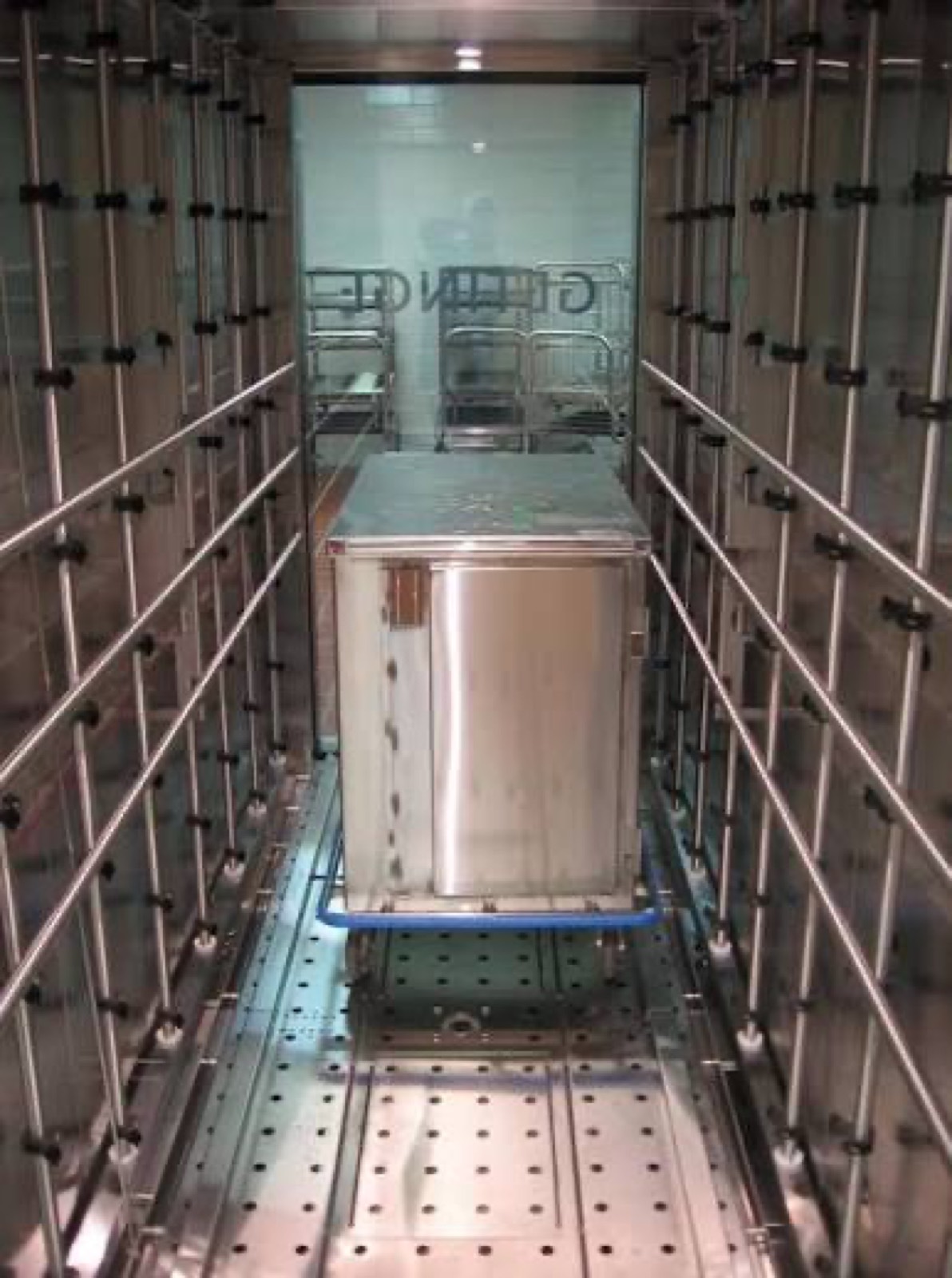
Building a Culture of Quality in the Sterile Processing Department
Standards tell a team what to do; culture decides whether they do it at 2 a.m. when no one's watching. What real quality leadership looks like in an SPD.
What Is SPD? Sterile Processing Department Explained
What a Sterile Processing Department does, the dirty-to-clean workflow, and why it's one of the most important rooms in any hospital.
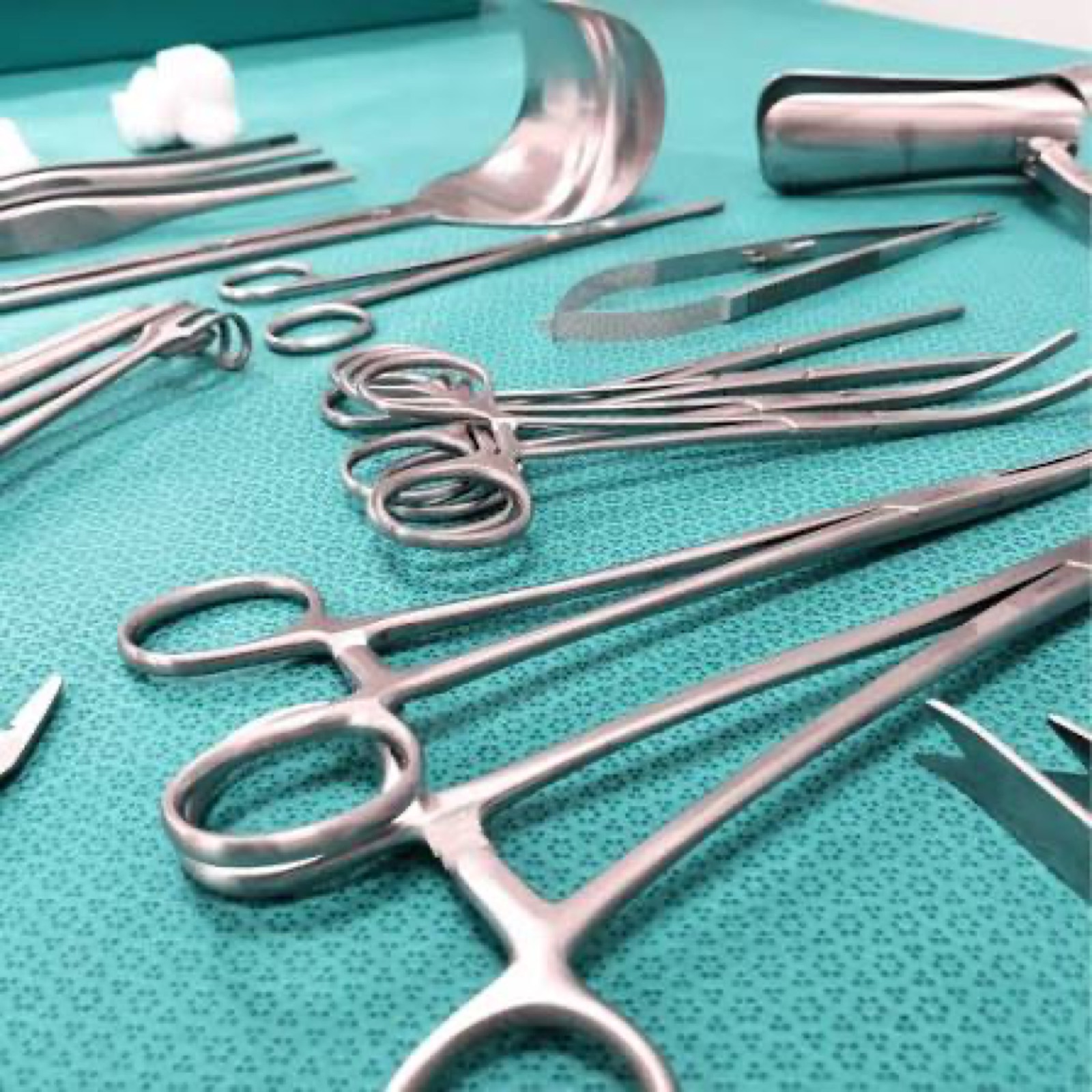
What Is a CRCST? The Sterile Processing Certification Explained
What the CRCST credential is, who issues it, what it takes to earn, and why it's the on-ramp to a sterile processing career.
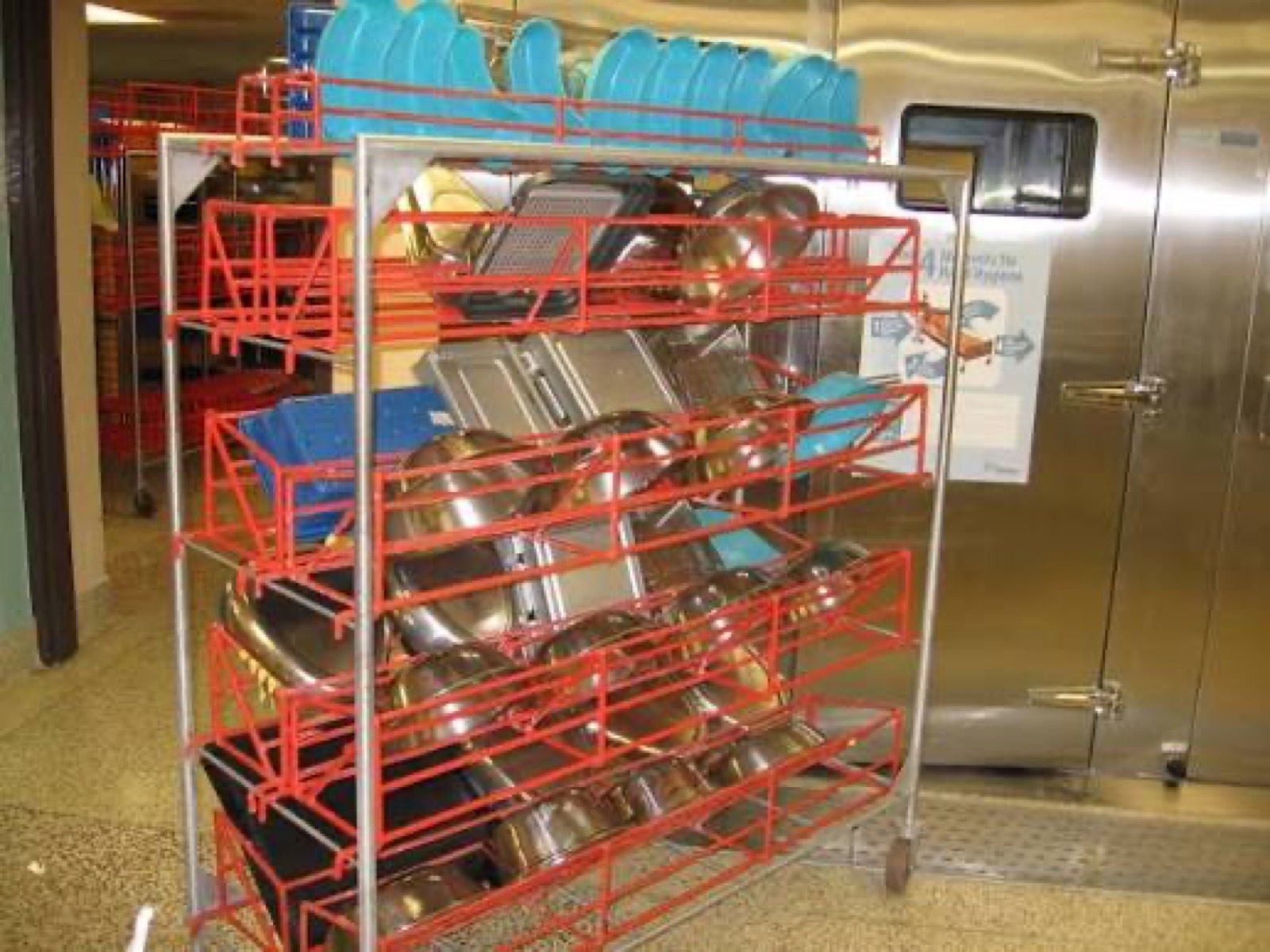
How Much Does Sterile Processing Certification Cost?
Training, exam fee, and materials broken down — so you know exactly what getting CRCST-certified costs, with no surprises.
How Long Does It Take to Become a Sterile Processing Technician?
From training to exam to experience hours — a realistic timeline for how fast you can get certified and working.
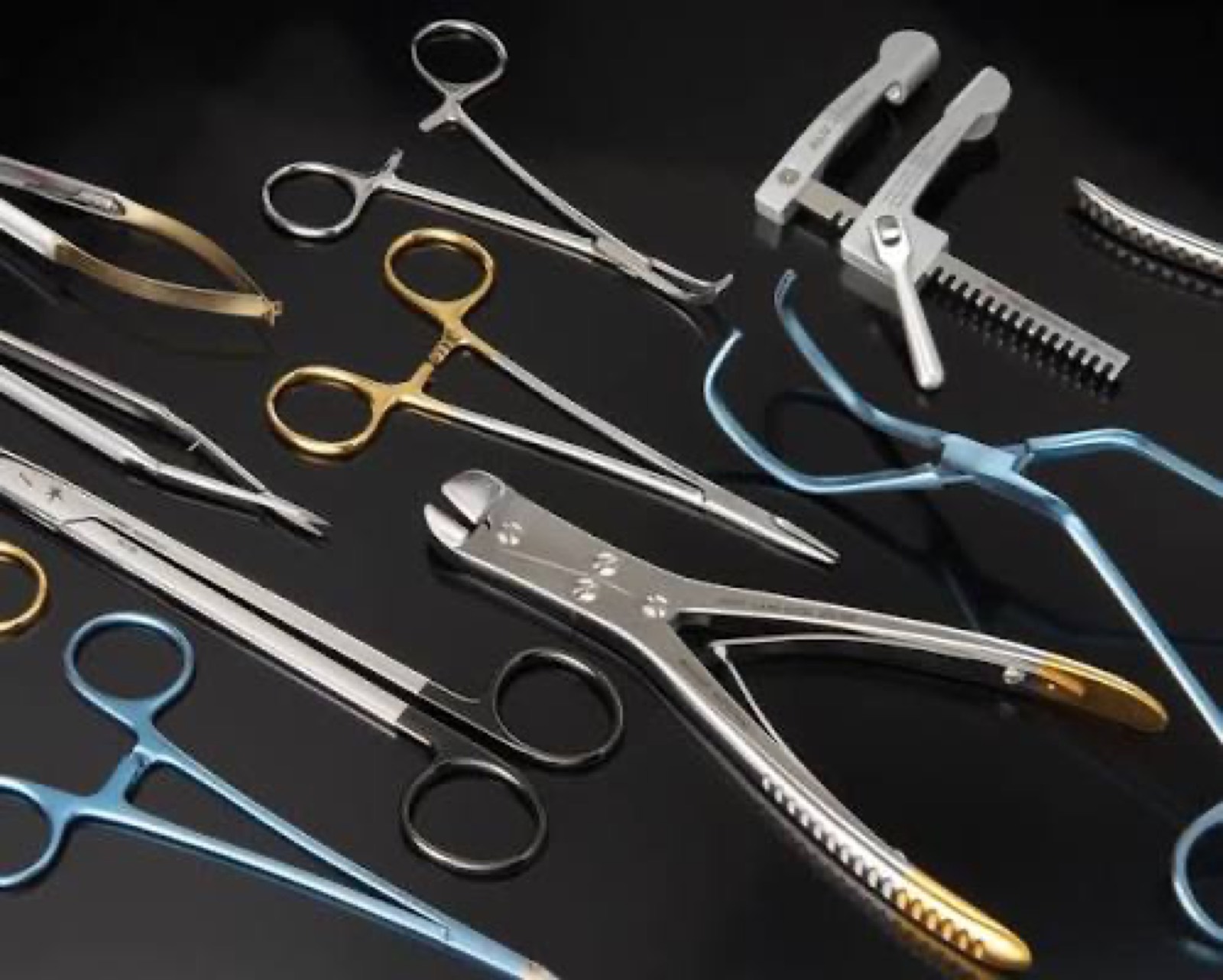
CRCST vs. CBSPD: Which Sterile Processing Certification Should You Get?
The two main sterile processing certifications, what separates them, and which credential to pursue first.
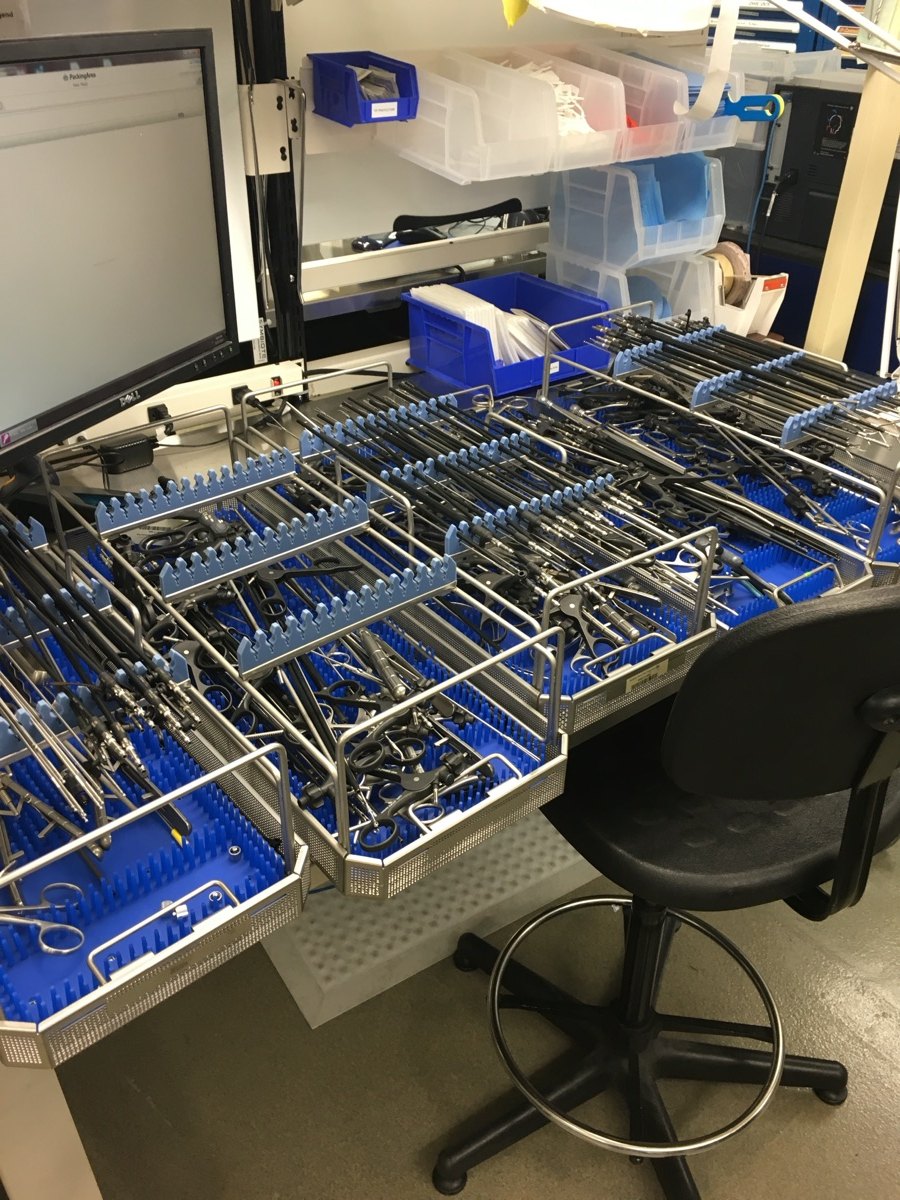
Do You Need Certification to Work in Sterile Processing? A State-by-State Look
Where certification is required by law, where it's effectively the hiring standard, and why getting certified now protects your career.
From Technician to Leader: Growing Your Sterile Processing Career
Technician, lead, supervisor, manager, director — the SPD career ladder is real. How credentials and leadership skills open each next door.
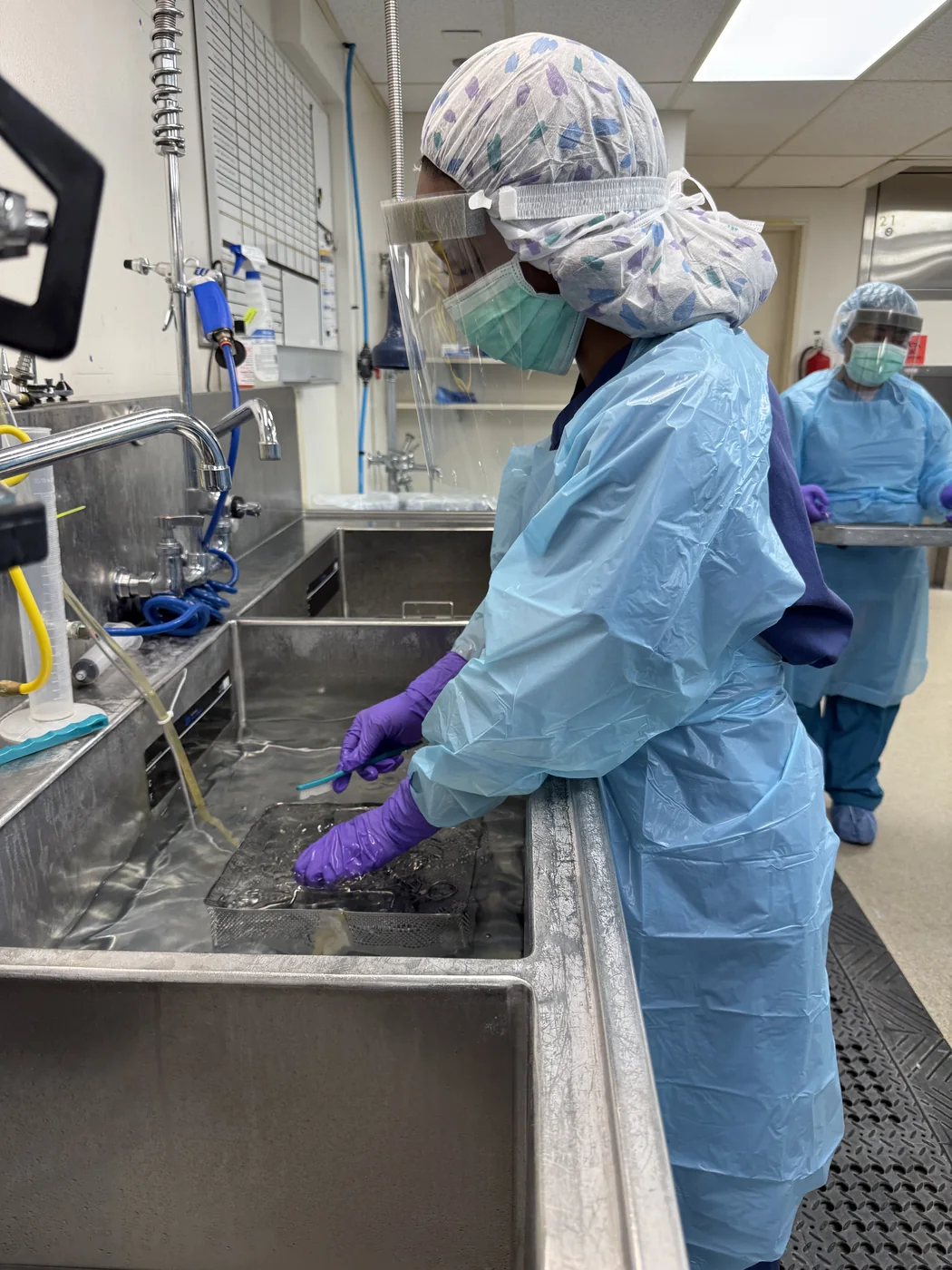
What Makes a Great Sterile Processing Instructor
The curriculum is mostly set by HSPA — what differs is who's teaching it. The four things that separate a great sterile processing instructor from the rest.
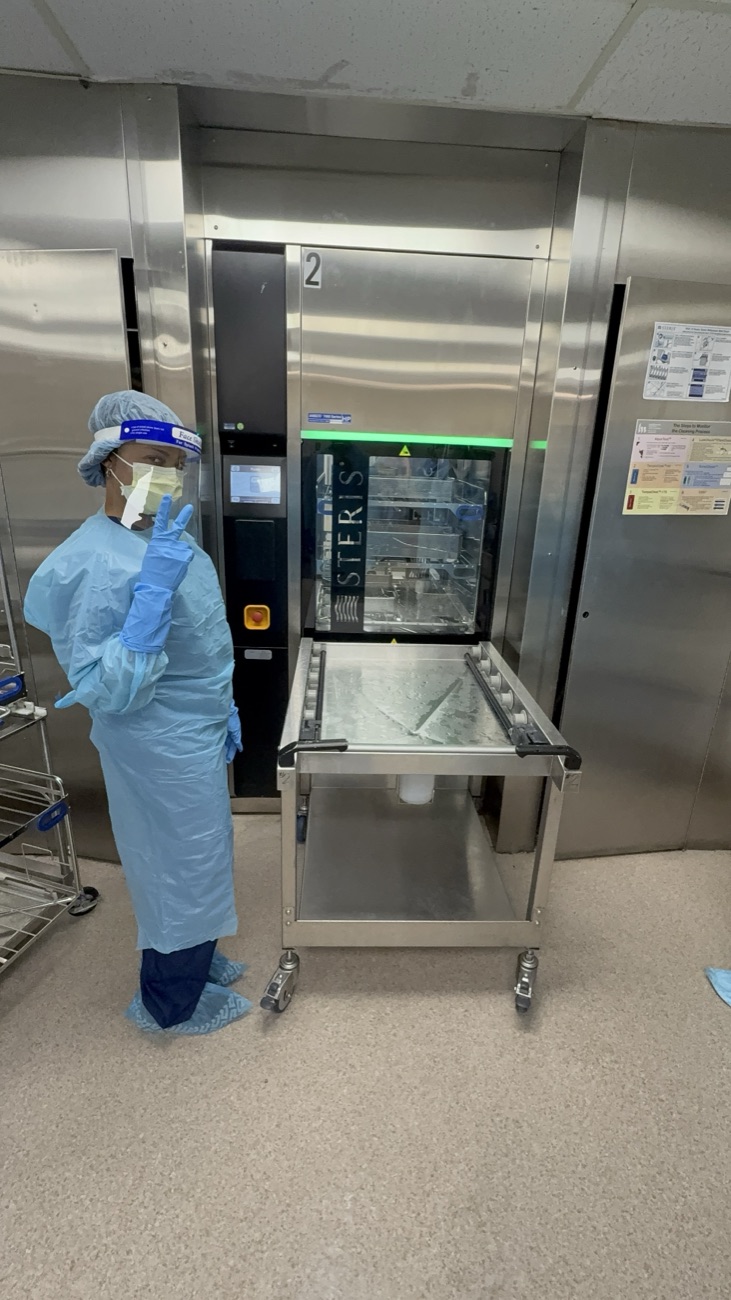
How to Become a Sterile Processing Technician (2026 Guide)
What the job really is, what certification takes, and how to break into sterile processing from anywhere — even with no school nearby.
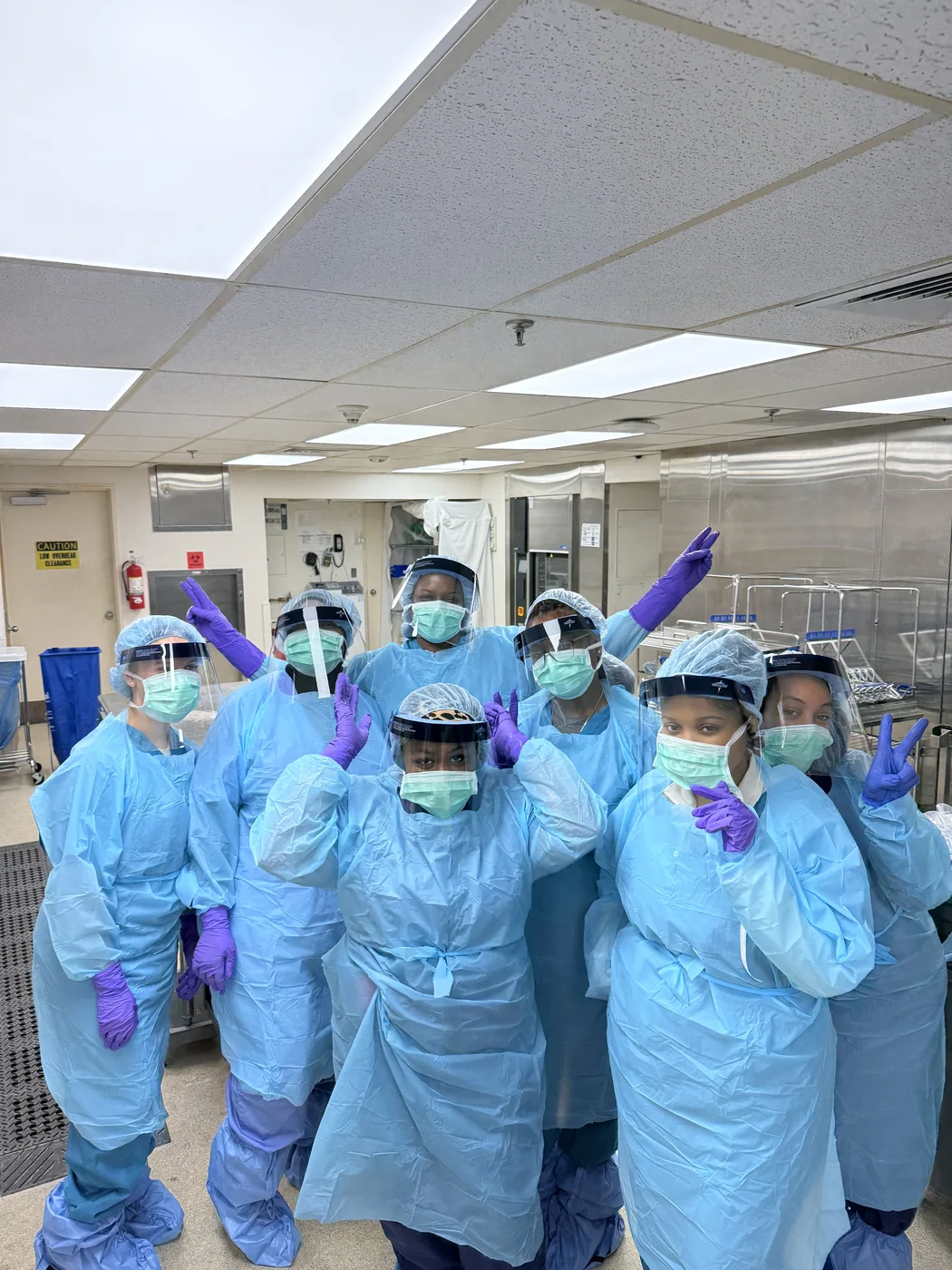
Online vs. In-Person Sterile Processing Programs: Which Is Right for You?
Cost, flexibility, and hands-on experience compared — so you can choose the sterile processing training path that actually fits your life.
What Is the CRCST Exam? A Plain-English Guide
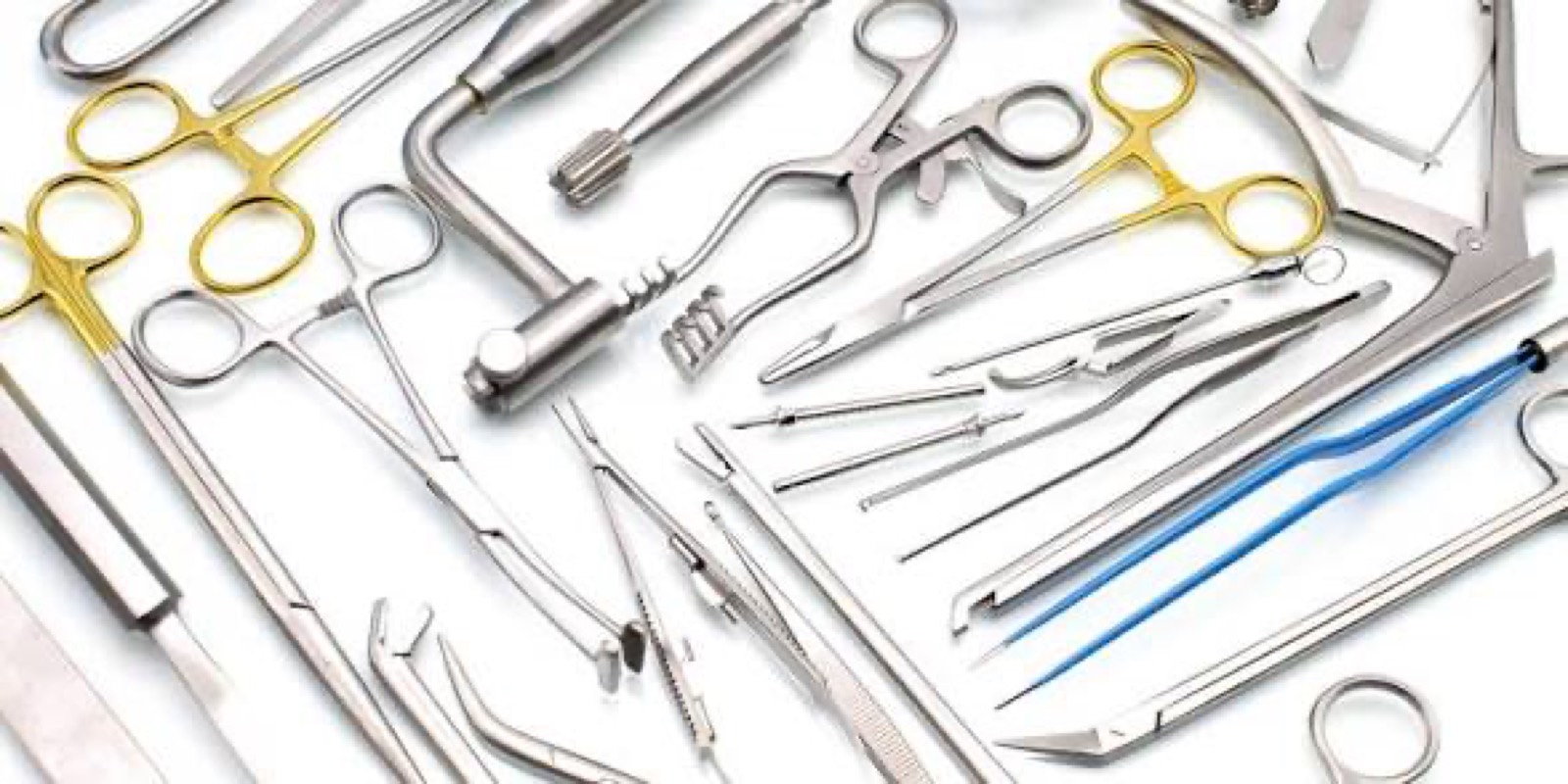
What the CRCST covers, what it requires, and how to prepare — explained simply for anyone starting out in sterile processing.