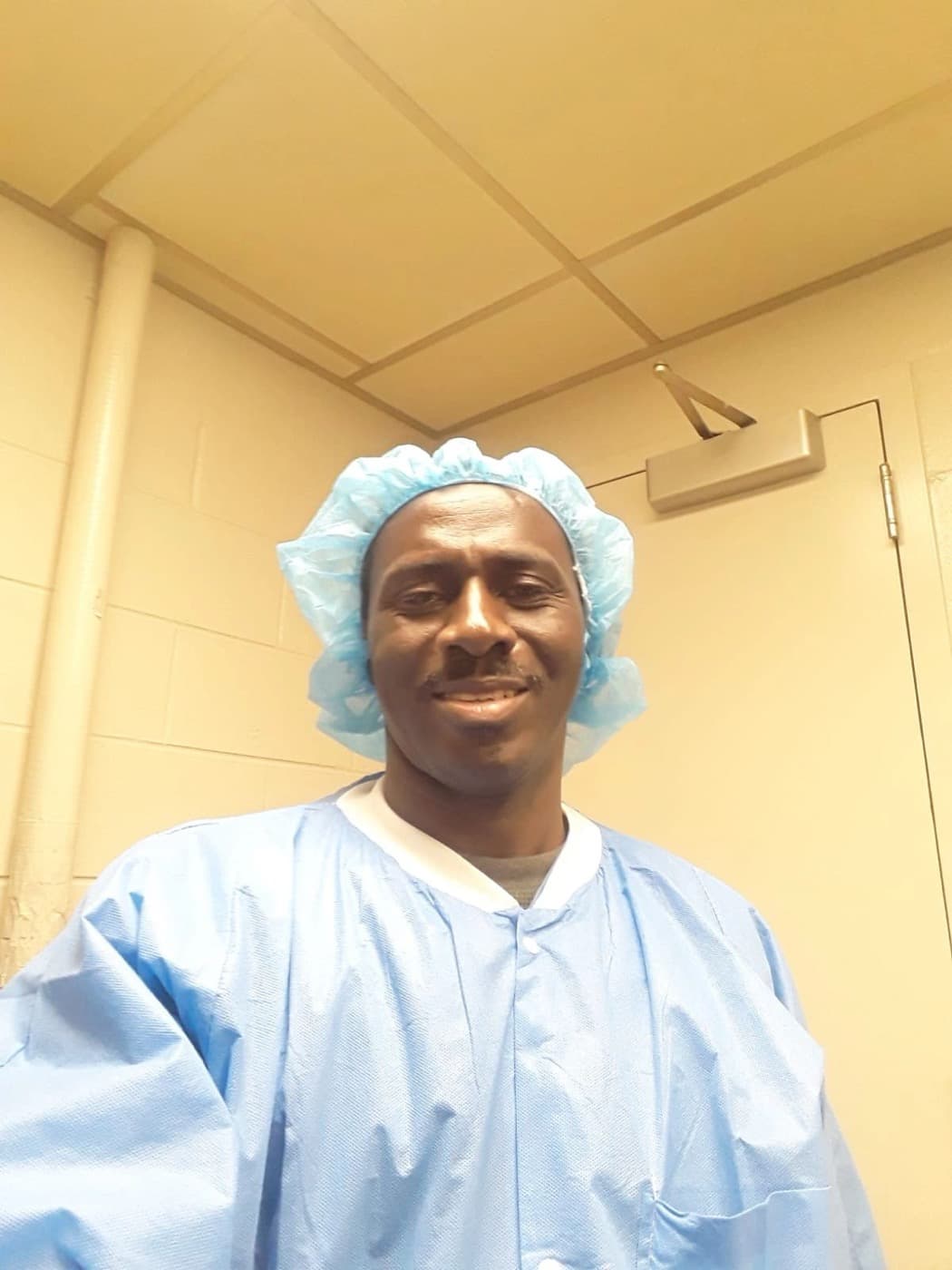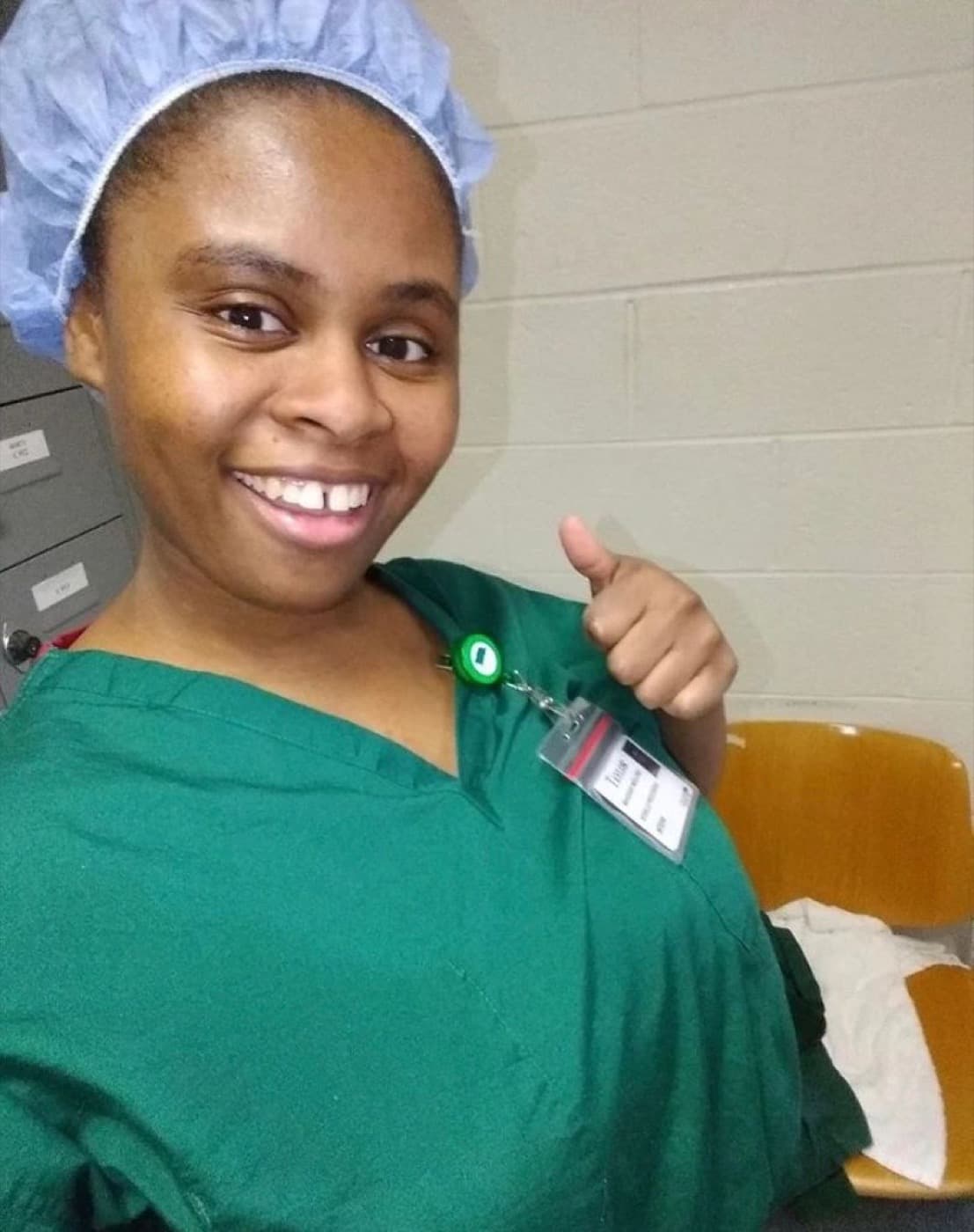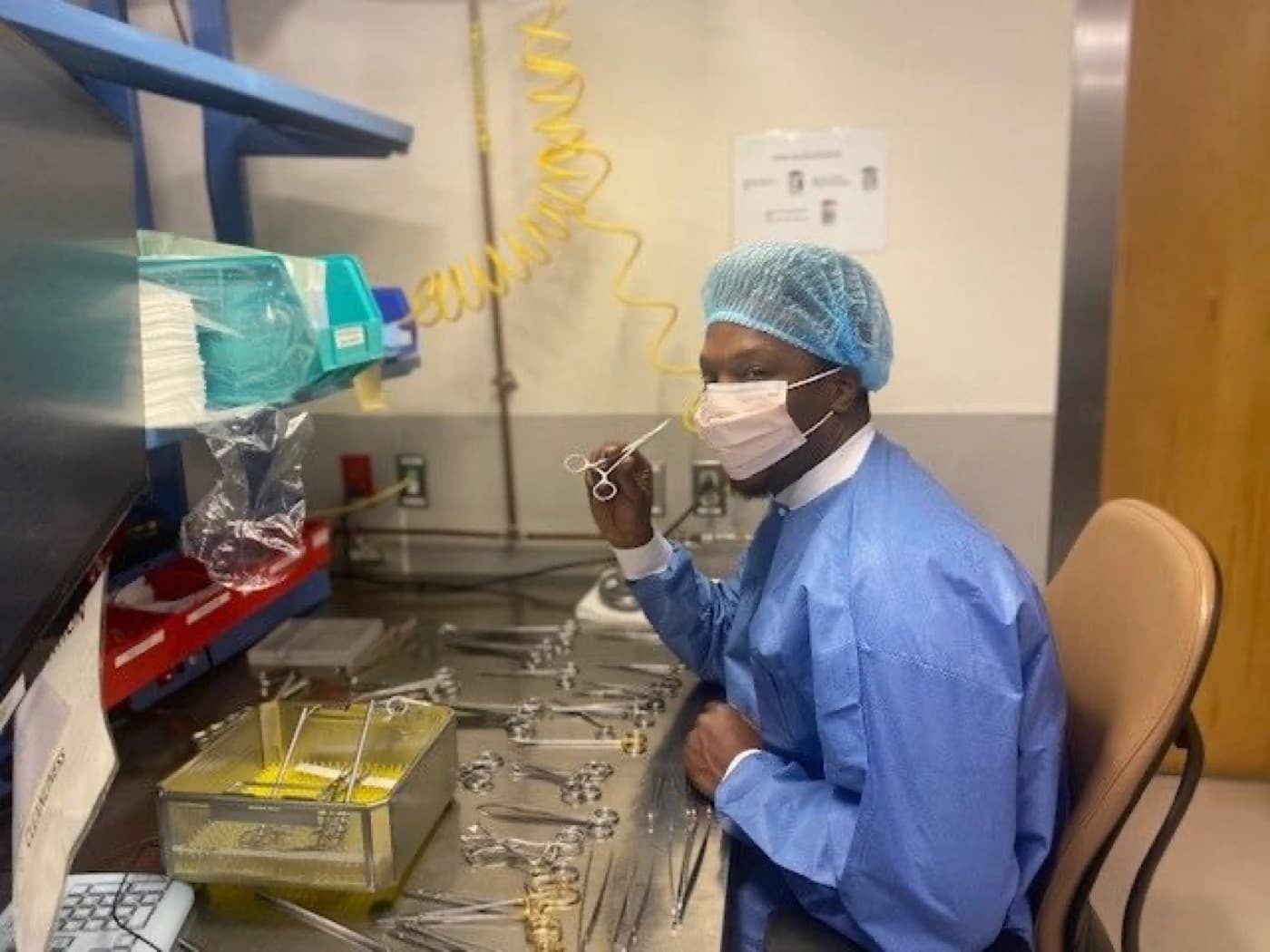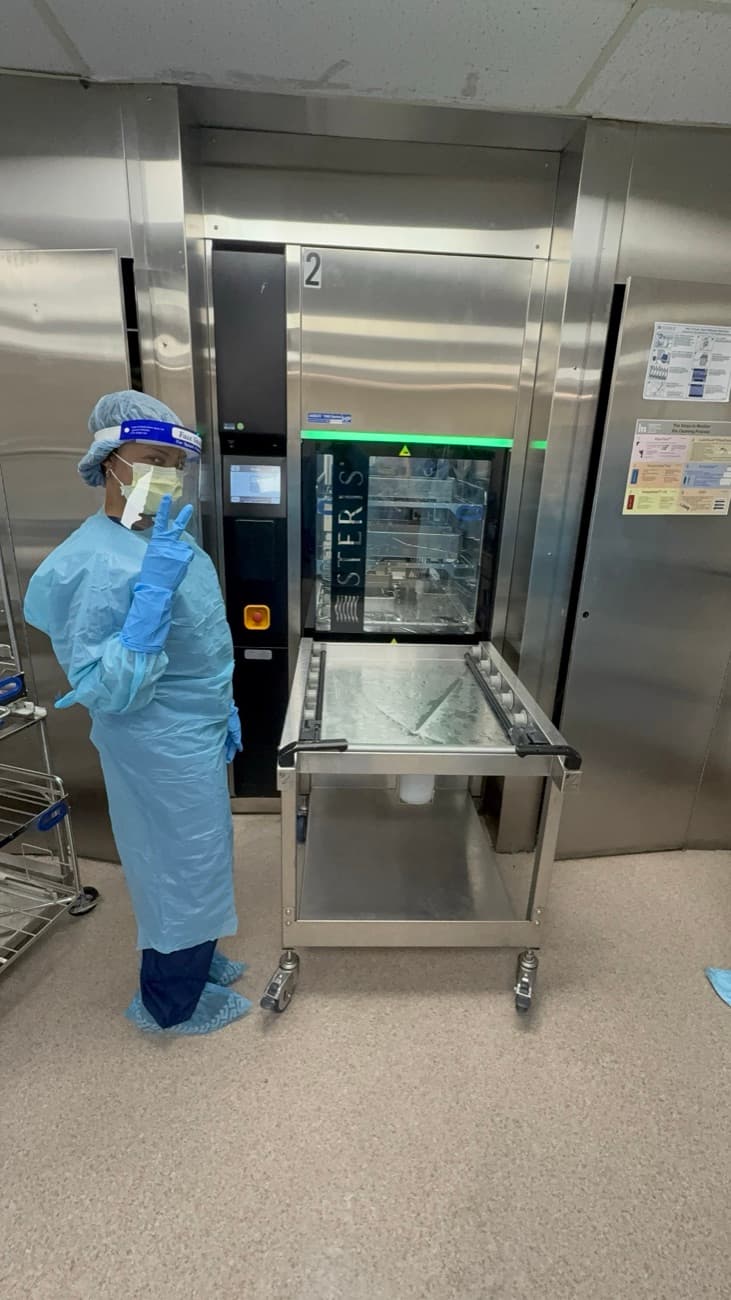
Sterile processing technicians are the quiet backbone of every hospital and surgery center. They clean, inspect, assemble, and sterilize the surgical instruments that operating rooms depend on. No sterile instruments, no surgery — which is why demand for trained, certified techs keeps growing.
If you’re considering the field, here’s the honest, step-by-step version of how to get in — no degree required, no hospital connection needed.
1. Understand what the job actually involves
A sterile processing technician (also called a central service or SPD tech) works in the decontamination and sterilization department of a healthcare facility. Day to day, that means:
- Decontaminating used surgical instruments
- Inspecting and assembling instrument trays
- Operating sterilizers (steam, hydrogen peroxide, and more)
- Tracking instruments and maintaining sterile storage
It’s hands-on, detail-driven, and genuinely important work — a great fit for people who like process, precision, and knowing their work matters. It’s also behind-the-scenes: you protect patients without providing bedside care, which makes it one of the most accessible entry points into healthcare. For the full tour of the department — including what your first week would look like — read What Is SPD?
For pay, the U.S. Bureau of Labor Statistics tracks the role under medical equipment preparers; current national and state wage data is on the BLS website.
2. Check your state’s rules early
Several states now legally require sterile processing certification, including New Jersey, New York, Connecticut, Pennsylvania, Tennessee, and Delaware — with Minnesota grandfathering only technicians employed on or before December 31, 2027 (its law accepts the CRCST or CSPDT). If you live in one of these states, certification isn’t optional; it’s your license to work. If you don’t, certification is still what most employers screen for.
Checking this first shapes everything downstream — which credential you pursue, and how quickly you need it.
See your state’s requirement → — or jump straight to Minnesota, where the 2028 deadline is creating real urgency. The full state-by-state picture is in Do You Need Certification? A State-by-State Guide.
3. Pick your certification
The industry-standard credential is the CRCST (Certified Registered Central Service Technician), issued by HSPA and built on the HSPA 9th Edition curriculum. Some states and employers also accept the CSPDT from CBSPD — we compare the two in CRCST vs. CBSPD, but for most people the CRCST is the safe default because it’s the credential job postings ask for by name.
Aseptic Technical Solutions is an independent training provider and is not affiliated with HSPA.
Earning the CRCST takes two things: passing the exam and completing 400 hours of hands-on experience. Per HSPA, the exam is 150 multiple-choice questions with a three-hour limit and a $140 fee — and you can test before you have any experience, then complete your 400 hours within six months of passing under HSPA’s provisional pathway. That provisional option is the key that unlocks this career for people with no healthcare background. New to the credential? Start with What Is a CRCST?
4. Choose how you’ll train
There are two common paths, and the best one depends on your life:
- Live virtual classes — the structure of a classroom with a live instructor, attended from home ($1,850 at ATS). Best if you know you need scheduled accountability.
- In-person training — hands-on classroom practice ($2,500 at ATS, in the Philadelphia/Cherry Hill area), often with the strongest path to a hospital internship.
ATS instructor-led cohorts run 16 weeks, all three formats follow the HSPA 9th Edition, and every student gets our private Discord community. We’ve been training technicians since 2017.
Compare the three paths → — and if you’re weighing formats, our honest take is in Online vs. In-Person Sterile Processing Programs. For the full budget picture, see How Much Does Certification Cost?
5. Study for — and pass — the CRCST exam
Treat the exam like the finish line of your training, not a separate project. A preparation rhythm that works:
- Work through the curriculum chapter by chapter — don’t skip the “dry” ones (regulations, quality assurance); they’re tested like everything else.
- Quiz yourself continuously, not just at the end.
- Take at least one or two full-length, timed practice tests before the real sitting, so 150 questions in three hours feels routine.
- Schedule the exam when your practice scores are consistently strong — every attempt costs $140, so practice tests are where you want your surprises.
The full breakdown of the test — what’s on it, what the questions feel like, and what happens if you don’t pass — is in What Is the CRCST Exam?
6. Get your hands-on hours
Most certification paths expect supervised hands-on hours — for the CRCST, it’s 400 hours spread across decontamination, prep and packaging, sterilization, storage and distribution, and quality assurance. Employers also strongly prefer candidates who’ve worked in a real sterile processing workflow. This is where a program with hospital internship placement is worth its weight — it turns a certificate into an actual job.
ATS places students in hospital internships with major regional health systems, which is the cleanest way to knock out your provisional hours. The alternative route also works: apply for entry-level SPD jobs with your provisional credential in hand, and complete your hours on the payroll. Either way, the six-month provisional clock is very achievable — 400 hours is roughly ten weeks of full-time work.
7. Land the first job — and grow from there
With a passed exam and hands-on experience underway, you’re a real candidate. A few things that help:
- Search every job title. Postings use “sterile processing technician,” “central service tech,” “SPD tech,” and “instrument technician” interchangeably.
- Lead with the credential. Put “CRCST” (or “CRCST — provisional”) at the top of your résumé, not buried in a certifications section.
- Talk workflow in the interview. Walking through dirty-to-clean flow, why cleaning precedes sterilization, and what a count sheet is proves you’ve internalized the work.
- Don’t stop at hospitals. Ambulatory surgery centers, endoscopy clinics, dental groups, and third-party reprocessors all hire SPD techs — often with friendlier hours.
And the CRCST is a floor, not a ceiling: from technician, the ladder runs through lead tech, educator, supervisor, and manager. See From Technician to Leader for where this career goes. Once certified, plan on 12 continuing education points annually to keep the credential current — bookmark our CEU resources.
A realistic timeline
For most career-changers, the path looks like this: pick a program this week, study for roughly 16 weeks (or faster, self-paced), pass the exam, then complete 400 provisional hours within six months. Start to fully-certified commonly lands within a year, often well under it. The honest breakdown is in How Long Does It Take?
The bottom line
You don’t need a four-year degree or a school down the street to start a sterile processing career. You need solid CRCST preparation, some hands-on experience, and a plan. If you’re ready to begin, our live virtual class gets you started today — from anywhere — or grab the free Career Roadmap and we’ll help you map it out.
Frequently asked questions
How long does it take to become a sterile processing technician?
Most people are exam-ready after a 16-week program (or a self-paced equivalent), and the 400 hands-on hours take roughly ten weeks of full-time work after passing. Start to fully certified commonly lands within a year.
Do I need experience or a degree to start?
No. There’s no degree requirement, and HSPA’s provisional pathway lets you pass the CRCST exam first, then complete your 400 hands-on hours within six months of passing — so you can start from zero healthcare experience.
How much does it cost to become a sterile processing technician?
Training plus the exam. ATS programs run $1,850 (live virtual), or $2,500 (in-person), and HSPA lists the CRCST exam fee at $140 per attempt.
Is certification legally required?
In Connecticut, New York, New Jersey, Pennsylvania, Tennessee, and Delaware, yes — and Minnesota requires it too, grandfathering only those employed on or before December 31, 2027, accepting the CRCST or CSPDT. Elsewhere it’s usually an employer expectation rather than a law.
Where do sterile processing technicians work?
Hospitals are the biggest employer, but ambulatory surgery centers, endoscopy and dental clinics, and third-party instrument reprocessing companies all hire SPD techs. Searching multiple job titles — SPD tech, central service tech, instrument technician — surfaces more openings.